SaaS vs. Legacy Software: Why Businesses Should Switch to SaaS in 2026
In this speedy digital world, technology is much more than just a tool, it is now the backbone of growth and innovation. Contrary to this, many organizations continue to choose legacy software systems, which only slow their processes and limit their scalability. In 2026, the debate between SaaS and legacy software will gain greater importance and attention.
This guide can help you understand why SaaS is not just a trend. It’s a smarter, more affordable solution that’s ready for the future. A reputable SaaS development company can help make the process smooth, safe, and efficient. They will also tailor the service to meet all your needs.
What Is SaaS and Why Has It Become So Popular?
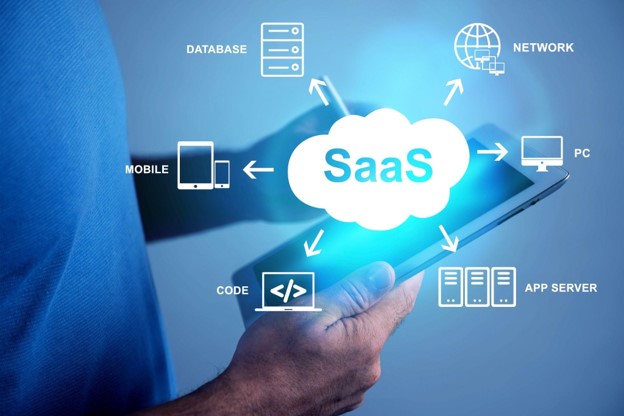
Software as a Service (often shortened to SaaS) allows users to access cloud software via the internet instead of installing it on a local computer or server. The model operates by companies subscribing to use their software, with fees billed either monthly or annually.
Some of the better-known vendors include Google Workspace, Salesforce, Zoom, and Slack, all of which are the modern organization’s favored tools.
The advantage of SaaS lies in its flexibility, efficient cost structure, and scalability-An aspect that outright-used software will never deliver anymore.
Most of this success can be attributed to the SaaS development lifecycle, during which each product is constantly improved, tested, and optimized for the cloud from conception to launch.
Why the Shift from Legacy Software to SaaS?
1. Effective and Predictable Pricing
Legacy software has always demanded heavy capital expenditures from licensing fees to hardware and up to maintenance. On the other hand, SaaS pricing is subscription-based pay-the-price-you-use. The expense being predictable allows for better budgeting and minimizes financial risk.
- No big-ticket items for hardware or IT infrastructure
- Steady and transparent maintenance costs
- Pay as you go flexibilities
According to Fortune Business Insights, the worldwide SaaS market was valued at roughly USD 266.23 billion in 2024, with an estimate of USD 315.68 billion in 2025, boasting at a CAGR of roughly 20% until 2032-which in itself tells how swift SaaS adoption is.
If you are of the notion of building your own product, associate with an expert SaaS development company for the cost-effective designing of the platform with great returns. They may also guide you about keeping SaaS development cost on the lower side while not compromising on performance or scalability.
2. Scalability That Matches Business Growth
First amongst scalability issues is the limitation imposed by legacy software. Whenever your business grows, new hardware and licenses, plus IT support, would have to be procured together, adding to the cost.
SaaS platforms allow infinite scalability. Whether there are 10 users or 10,000, the system adapts all by itself- there is no more setting-up needed.
Enterprises today, on average, use 106 SaaS applications, thereby manifesting how deeply SaaS has been embedded into modern workflows (BetterCloud). Likewise, 86% of the organizations use 11 or more SaaS applications in their operations (CloudZero).
These figures show how SaaS creates an environment in which businesses grow free from traditional IT barriers.
3. Easy Maintenance and Automatic Updates
If you have ever run into updating legacy software, you will probably relate with, While it is quite tiring to do manual updates on them, one has to work around scheduled downtimes, compatibility issues, and sometimes expensive upgrades that are nothing but a horrible experience for an IT team.
SaaS does away with all that hard work. In any event, the updates get applied automatically, probably overnight, and don’t interfere with your workflow so that your team is always on the cutting edge, using all the new features and security patches.
Engaging professionals for SaaS development services means your software is built with future updates in mind. The appropriate development group will draft a solution that integrates changes with ease as your business needs evolve.
4. Enhanced Security and Data Protection
Security represents one of the crucial issues concerning any business, which SaaS providers take with prime seriousness. A reputed SaaS platform, therefore, furnishes enterprise-grade security, including the encryption of data, multifactor authentication, and compliance with common normative regulations such as GDPR and ISO 27001.
Being considered as increased trust in its service reliability, the increasing adoption of SaaS is just another footprint added. The North American SaaS market is expected to reach a size of USD 211.7 billion by 2026 up from USD 164.8 billion in 2024; this is indeed an indication of worldwide confidence in SaaS technology. (Hostinger)
Whereas a skilled SaaS development company offers secure cloud infrastructure to develop your process, thus minimizing gaps that may compromise the service to global standards of compliance.
5. Seamless Remote Access and Collaboration
The workplace being hybrid and remote-first, legacy software cannot keep up. Being cloud-based, the SaaS applications can be accessed anytime, anywhere, and on any device.
This system of accessibility gives a great work boost, mostly for those distributed teams working across several time zones.
According to Gartner’s report, 60% of organizations adopting SaaS solutions reported significantly enhanced team collaboration and workflow efficiency.
Challenges of Legacy Software You Can’t Ignore
While legacy systems once served businesses well, there are now more problems than solutions with legacy systems:
- High Maintenance Costs:You have to keep money aside to fix and keep supporting it.
- Limited Integration: It can be difficult to link with modern tools or APIs.
- Lack of Scalability: It is hard to scale unless you go for infrastructure upgrades.
- Outdated User Experience: Slow interfaces, limited mobility.
- Security Risks: Old systems have always been targets of cyber threats.
In short – legacy systems are holding businesses back. Transitioning to SaaS is not just an upgrade; it is a transformation for agility and innovation.
How SaaS Development Services Can Help Your Business Transform
Transitioning to SaaS may appear complicated, but with the appropriate SaaS development services, it is easier than you might think. Here is a professional development partner that can assist you in:
- End-to-End Product Strategy: From idea validation to go-to-market planning.
- Custom SaaS Solutions: Features tailored for specific business workflows.
- Cost Optimization: Experts advice to effectively manage your SaaS development cost.
- Cloud Migration: Safe migration from legacy systems into cloud-based environments.
- Continuous Support: Provided for updates, performance monitoring, and scaling improvements.
A best software developers creates software solutions and assists businesses in preparing for the future to stay competitive in the current digital age.
Real-World ROI: That’s Why SaaS Always Wins
Businesses transferring to SaaS often report dramatic improvements within a year into their transition:
25–40% reduction in total IT costs
2x faster software deployment times
99.9% uptime, thanks to cloud reliability
Much better compliance with international security standards
The data clearly shows that SaaS is the preferred choice for many users, including both emerging startups and established Fortune 500 firms.
The Bottom Line: SaaS is Truly the Future of Business Software
The SaaS industry is expected to exceed USD 315 billion by 2026, backed up by its flexibility, scalability, and cost-effectiveness. Of course, legacy software could still have its customers in some niche industries, but on the merits of SaaS, there simply is no argument.
Be it low operating costs or the best scalability and the smoothest user experience, SaaS gives your enterprise all the agility needed to succeed in today’s digital-first setting.
If you have been considering taking your business to the next level, the time to engage a reputed saas product development company is now. They will have your back through every step of the way, from ideation to deployment, so that your investment gains the highest long-term value.
Final Thoughts
SaaS is not just a technology trend; it is an investment in the future of the company. It gives you freedom from an old infrastructure, in some ways reduces costs, and helps on the competitive edge in an ever-changing market scenario.
Whenever you’re converting and intend to develop a new SaaS solution, make sure to consult a professional SaaS development agency initially. The sooner you make the switch, the sooner you will become really productive and have immense innovation and growth.

