4 Things You Need To Know About Video Production
Video has become one of the most powerful storytelling, marketing, and communication tools in today’s tech world. For aspiring filmmakers, marketers attempting to reach a larger audience, or business owners trying to showcase their products, learning the ins and outs of video production can dramatically improve how your content looks and resonates with viewers. This whole process is a complex one with its many stages and sides. This knowledge ensures that you are able to produce a well-made marketing video, short film or documentary. Basic Maxims and Tricks in Video Production This introductory guide presents the 4 pivotal components for producing video content.
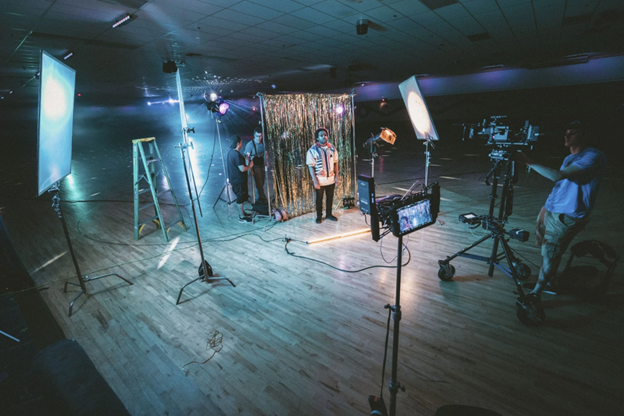
Video Production Record Shoot, Image source: https://pixabay.com/photos/video-production-shoot-record-2577667
1. Pre-production
Pre-production is the first and foundational phase of video production as it sets the stage for your work. In this phase, the planning and strategizing about production need to be done quite carefully. Pre-production Pivotal activities Concept development Script writing Storyboarding Project scheduling
Establish what you want your video to accomplish, who the video is for (target market), and the message that you want to get out there. At this stage, gathering up the right team (directors, producers, writers and any other craftsman) to finally translate your vision into reality. Budgeting is important too as it determines what you have and can achieve with your project.
Locking down locations, casting talent, and securing permits and insurance are all important steps in this phase. Before producing a corporate video content, pre-production will ensure it supports the goals of those within the brand and reaches its desired demographic. The fact is that careful pre-production planning can great reduce these risks and increase the quality of the video itself.
2. Production
The production process is where all your planning and preparation come to life and you generate actual footage. This is the stage where cameras starts rolling, and everything goes in action. To produce something effectively, a team needs to be in sync and capture great visuals and audio. The aspects of the production phase are as follows:
Setting Up
Setting, on the other hand, takes place during production and is about creating a space where shooting can take place — organising lights, placing cameras and making sure we capture sound. From scheduling shoot days, making sure your have all gear in check to having everyone involved ready for their specific jobs are important duties that a DOP will take on. However, lighting setups can have a huge impact on the mood and tone of your footage as well while sound quality is equally important when it comes to keeping the audience engaged. This step also includes shooting logistics, scheduling and time management to keep everything running on budget. In this phase made of final work, we are going to see the attempted precision and attention to detail as necessary during recording should provide high-quality raw footage that will later be used as the building blocks for the finished product.
Directing
The production is where, it comes down to director’s job. The director is there to manage the creative side of the shoot- direct their talent, ensure that scenes are executed as planned and make on-the-fly decisions for any impromptu fires which need extinguishing. It also requires clear communication and an understanding of the technical and creative aspects of video production.
Filming
The filming just for the project at hand can take place either in a studio or on location, or both. Back in the studio, we have full control of lighting and sound while on location shoots allows authenticity and distinct scenery. This involves obtaining the raw footage for the narrative, B-roll for secondary visuals, and other materials such as special effects or action shots. The production team always needed to stick to the storyboard and script but also had to keep up with constant changes, coming about if we were running out of daylight, or a new creative idea suddenly came up. That balance often results in a solid production.
Managing the Crew
It is important that the entire crew (not just the camera operators and lighting techs but also makeup artists and sound engineers, e.g.)…cause lord knows when we get going in all directions it creates a super shitshow. With Experience, An ad-informed team can work together to the unwavering detail of what is needed in a shoot. Having similar specific roles helps eliminate any confusion as well as keep efficiency on set.
Monitoring Quality
The footage and the audio should be monitored continuously during production process. Find out how to check focus and exposure on camera, audio levels and composition of the scene. Shots are reviewed by the production team as they are shot to make sure that the amount of hype or vision required for the project is met.
3. Post-production
The footage from each shoot is edited, the sound of the video pieces are refined and they are assembled so that you can view them in a coesive way. This is a 5 stage operation;
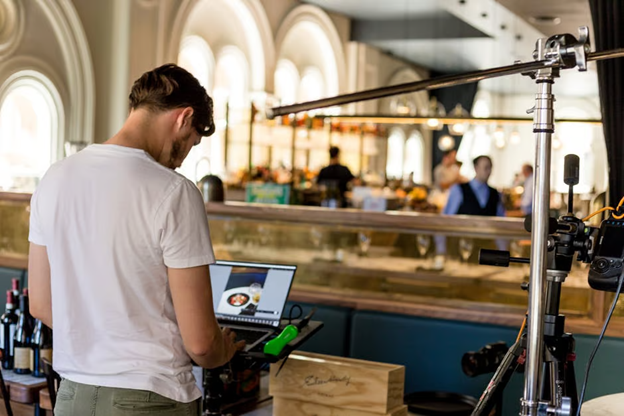
Photo by bongkarn thanyakij on Pexels
Editing
Editing stands as the foundation of post-production, and it is here that raw footage evolves into a refined final product. A crucial step that includes choosing the best takes, cutting and pasting scenes, in addition to incorporating visual effects for storytelling supports. They are also taken through the process of sound editing which covers adding voiceovers, music and sound effects to ensure that audio and visual elements work seamlessly together. Color correction/grading to maintain a consistent visual tone and mood in line with the project creative vision.
Sound Design
Sound design plays a huge role in post-production, and sometimes influences greatly on the overall “picture” of this video and how well the idea is communicated to an audience. Without the ability to hear characters speak, or slow-building background music that can tweak on our emotions, Immersion takes a hit. This stage involves creating and integrating audio elements such as dialogue, sound effects, and background music to build an immersive soundscape. Sound, when properly designed, aids in the winding narrative pulse of a story as well as accentuating key moments of emotion and provides viewers a sense of immersion, giving us layers to appreciate within the visual storytelling. You should check the levels between sounds, reduce the amount of background audio and transition between clips smoothly.
Color Grading
Color grading is a crucial process in post-production where you modify the colors and tonality of your video to create a certain aesthetic or atmosphere. This process can greatly improve the visual quality and uniformity of the footage thereby bringing it in line with either the director’s vision or production aesthetics. Color temperature balance, contrast changes within the image, and saturation of colors in a scene are all manipulated to compose shots that are visually interesting. More importantly, you can use color grading to fix the imbalances that come up from different shooting conditions, creating a more cohesive look for your final video.
Final Review and Delivery
The last stage of the whole video production process is the review and final delivery. In this stage, the edited video is reviewed and critiqued to ensure it meets all established technical and creative criteria from pre-production. Would the project need this video to be quality checked based on its resolution, frame rate, sync of audio and when you really think about it flow is according to the project requirements. Stakeholder and peer feedback is needed to expedite any last-second modifications that could enrich the final result. After this intensive curation process, the video is formatted and encoded for purpose on social media, broadcast or a corporate website. First, successful delivery means that the video looks and sounds professional telling a story well to its intended audience.
4. Distribution
Distribution: The last phase of video production is distribution, which typically means sharing your finalised videos with your target audience This step is essential to make certain that all the efforts you put into production and post-production reflects in an effective way to communicate and engage with your viewers.
Platform Selection
Distribution is pivotal, so pick the platform that works best for you. The user base the nature of the content and your marketing objective will decide which platform suits best for you. Major platforms are your Facebook page, Instagram social media channel, YouTube as well as website, email newsletter or streaming services. Every platform out there have such specification and best practices to be followed while uploading a new video to make it perform.
Encoding and Formatting
A video needs to be encoded and formatted properly in order to give the best possible experience across multiple platforms. This includes determining the right resolution, aspect ratio, and file type that is in line with how the distribution platform demands. In this manner the video retains its quality and can be viewed by the largest audience possible on a smartphone, tablet or desktop machine.
Marketing Strategy
A good marketing strategy is very effective in video distribution. This may entail employing SEO strategies to increase the video’s visibility, crafting captivating thumbnails and descriptions, and promoting via social media to create buzz and attract viewers. Viral marketing strategies, influencer marketing and paid media can also help to increase the reach of your video.
Audience Engagement
After the video goes viral, you will need to engage with your audience on a continuous basis in order to keep interest as well as create a community around your content. This might be commenting back, asking for likes and shares, or posting a follow-up as part of that momentum. You can even use analytics tools in order to gain answers on the needs and behavior of your viewers, helping you plan out your videos accordingly.
Tracking and Analysis
It is important to measure how successful your video distribution was in order to see if and where the impact of each video could be improved for strategies. Some of the pivotal metrics you want to keep a eye on are views, engagement, watch time and conversion rates. Since you are a /premiere creator, these service can give reports on various metrics as well to help you gain insight into what worked and what did not.
Continuous Improvement
Now, distributing the video is only half the battle when creating an effective video and by no means does the video production process end with distribution. Not only it is important to distribute the content, but you also need to analyze your videos and improve them as time passes. This can mean collecting and analysing viewer feedback, keeping an eye on updates to platforms such as algorithm changes and also knowing more about what your audience do. This way you can better your strategy as well as your content so that it stays in line with current trends and is always up to the mark, regardless of which platform you publish on.
Video production is complicated for some videos, and even with videos that seem simple to create, there is still more going on behind the scenes. Each stage is important in helping you create a quality video that your target audience will identify with.From pre-production planning to post-production distribution, each of these stages contributes vastly towards attracting more customers and creating larger salesActivityResult View More So, by effectively mastering all these four pivotal elements you can make some awesome videos as well as can send the message to your audience in a clear & concise way and also by hitting the right aim for your video. Regardless of whether you’re creating a marketing video, short film, or full-length documentary film – these elements would be instrumental in making sure your video production process turns out more smooth and successful. Learn something new or sharpen your skills and make videos with an impact, that staffs are captivated by all around the world.

