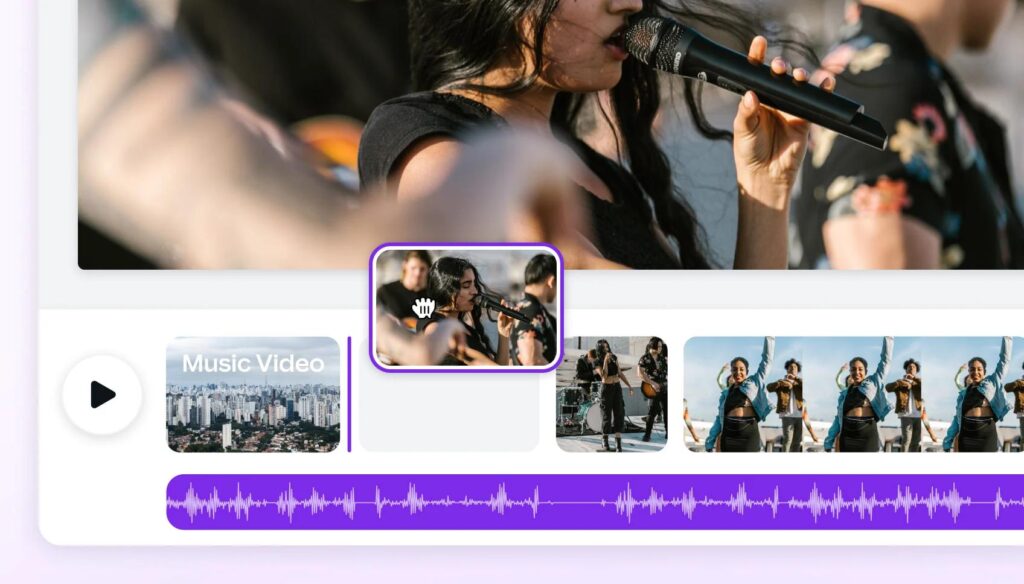
Comparing 2025’s Leading AI Platforms for Cinematic Music Videos
In 2025, the boundaries between human creativity and artificial intelligence have blurred dramatically in the realm of music video production. What was once the exclusive domain of major record labels and production studios—requiring complex choreography, expensive lighting setups, and teams of visual effects artists—has become accessible to independent creators through AI-powered platforms. Today’s systems don’t just visualize music; they interpret it, creating cinematic, beat-synced videos that rival traditional filmmaking in sophistication and emotional resonance.
An AI music video generator refers to software that leverages artificial intelligence to convert audio tracks into dynamic, visually synchronized music videos.. Whether you’re an indie musician building a brand on TikTok, a marketing agency creating immersive campaigns, or a filmmaker experimenting with synthetic cinematography, these platforms redefine what’s possible with minimal budgets and maximal imagination.
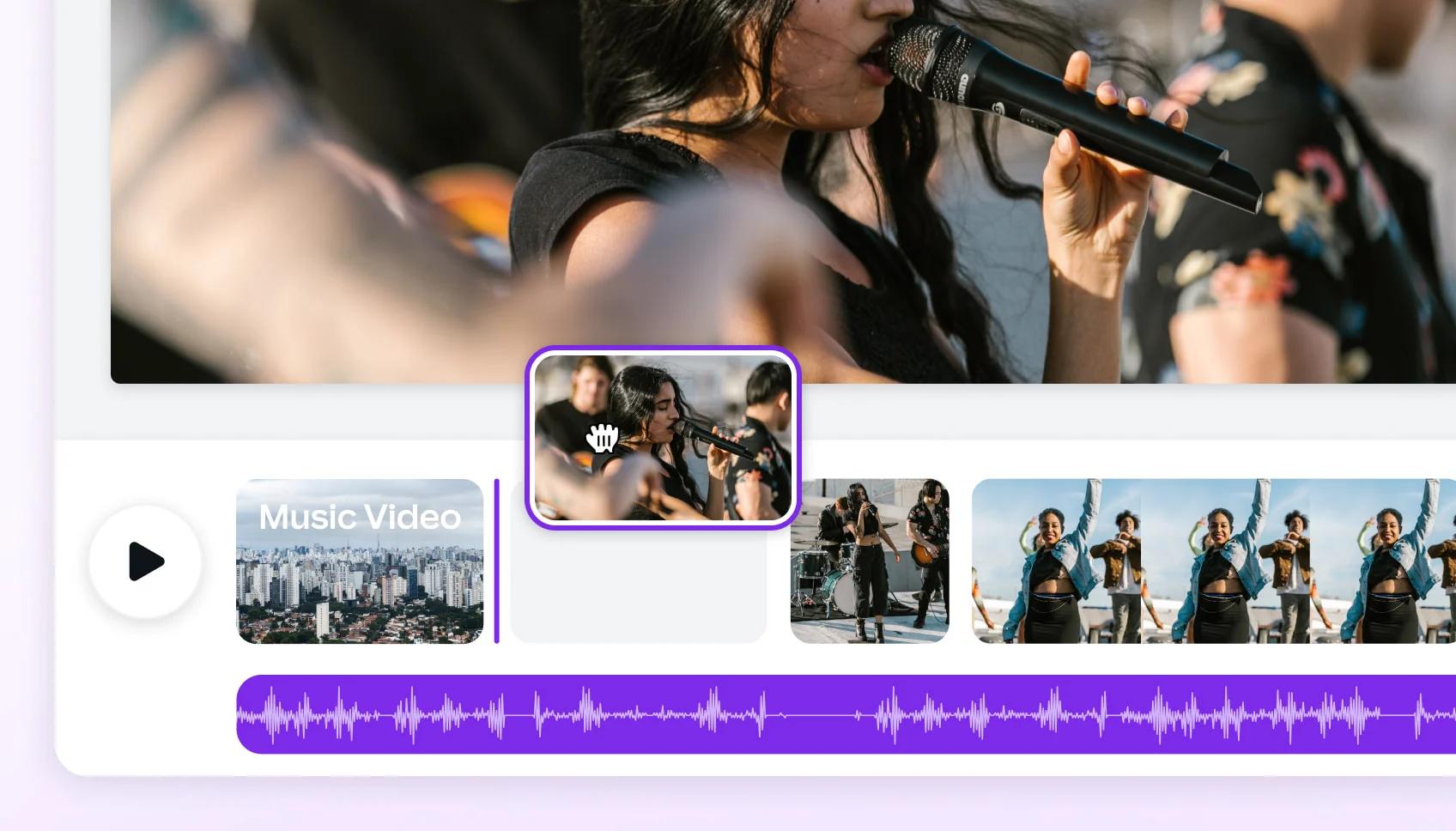
Understanding AI Music Video Generators
An AI music video generator is a platform that leverages machine learning models—trained on vast libraries of audiovisual data—to convert sound into synchronized moving imagery. Using techniques like beat detection, style transfer, and neural scene composition, these systems translate the essence of music into dynamic visuals. This automation, however, doesn’t mean uniformity. Many modern systems allow users to inject creativity through prompts, genre cues, and narrative direction.
As Adobe’s Creative AI division notes, “AI is not replacing creativity—it’s multiplying it.” The technology allows creators to iterate faster, test multiple concepts, and deliver studio-grade visuals within hours, not weeks. This democratization mirrors what digital audio workstations did for music production in the 2000s: it puts powerful storytelling tools into every creator’s hands.
Key Evaluation Criteria for AI Music Video Platforms
To identify the true leaders in AI-powered music video creation, six critical factors separate professional-grade platforms from experimental tools:
- Visual Fidelity and Realism: The gold standard is cinematic realism—film-like lighting, motion coherence, and visual continuity. Top-tier platforms now simulate camera depth of field and lens flares, producing scenes indistinguishable from live-action footage.
- Audio Reactivity: Beyond mere beat-matching, advanced systems like Neural Frames’ 8-stem engine respond to nuanced layers—basslines, vocals, percussion—creating holistic synchronization.
- Customization and Flexibility: Platforms with rich prompt systems and editable timelines allow artists to maintain creative direction rather than surrendering it to algorithms.
- Output Quality: 4K and HDR exports are the new minimum for serious creators. High frame-rate options (60–120fps) further enhance realism for cinematic playback.
- Workflow Efficiency: Time is currency. Platforms that integrate cloud rendering, auto-export, and mobile-ready templates save hours per production.
- Pricing and Licensing: Transparent, commercial-friendly terms are essential. Musicians must retain full usage rights for monetization across YouTube, TikTok, and streaming platforms.
Ultimately, “cinematic quality” means visuals that feel like film—immersive lighting, emotion-driven motion, and sound-synced editing that resonates beyond automation.
freebeat.ai: Fastest and Most Accessible Beat-Synced Generator
freebeat.ai reimagines the music video creation process through an elegant, one-click MV generation workflow that transforms any uploaded audio track into dynamic, rhythm-aligned visuals. Users simply import songs from Spotify, YouTube, or SoundCloud, choose a visual mood or prompt, and receive perfectly synced music videos within minutes.
In 2025, this hybrid AI architecture has made freebeat.ai a go-to for independent artists and agencies seeking viral-ready content without production crews. The system’s built-in templates, 4K exports, and adaptive beat-syncing have been praised by MusicTech as “a milestone in automated creativity.”
For independent artists and small teams, freebeat.ai delivers professional-grade output optimized for viral reach. Its templates, responsive beat-sync technology, and affordable plans make it an industry leader for creators who want visually rich, shareable content with minimal setup time.
Neural Frames: Precision Leader in Deep Audio-Visual Synchronization
Neural Frames distinguishes itself through its 8-stem audio analysis engine, dissecting tracks into instrumental layers and reacting visually to each one. The platform’s dual workflow—Frame-by-Frame Editor and Autopilot Mode—accommodates both technical professionals and speed-oriented creators.
Its precise motion tracking and camera choreography appeal to directors and musicians seeking lifelike reactivity. Neural Frames’ rendering pipeline supports 4K output and integrates advanced compositing tools for seamless transitions and real-time editing.
In interviews with Creative Bloq, VFX designer Eliza Romero noted, “Neural Frames bridges the gap between procedural animation and pure emotion—it lets the music breathe visually.” It’s a platform for perfectionists who crave frame-level control.
RunwayML: Studio-Level Platform with Integrated VFX Suite
RunwayML remains the industry’s Swiss Army knife for AI-enhanced production. Built on years of machine learning research, its Gen-1 to Gen-4 models and Motion Brush tools enable creators to manipulate objects, lighting, and depth in post-production seamlessly.
At $35 per month, it’s designed for professionals who require precision. Film directors and visual producers often combine RunwayML with Unreal Engine or DaVinci Resolve to finalize AI-generated scenes for broadcast. It’s also been used in campaigns by VICE Media and Sundance Labs for hybrid AI filmmaking experiments.
Shai Creative: Lyric-to-Scene Storytelling Pioneer
Shai Creative brings narrative intelligence into the mix. Its AI parses lyrics to generate story arcs, automatically linking verses and choruses to corresponding visuals. Users can then adjust pacing, mood, and scene continuity through an intuitive storyboard interface.
Designed for storytellers, educators, and YouTube creators, Shai Creative supports 1080p output and real-time previewing. This lyrical mapping makes it an invaluable tool for narrative-driven music or branded storytelling, ensuring emotional continuity across verses.
Kaiber: Artistic Freedom and Expression Unleashed
Kaiber is the darling of digital artists. Known for powering Linkin Park’s “Lost” video, it transforms music into painterly, surreal, and often emotionally charged visuals. Its artistic filters and customizable styles make it a favorite among experimental creators and digital art collectives.
Kaiber’s design philosophy prioritizes visual storytelling through abstraction—perfect for genres like synthwave, lo-fi, and ambient. The platform’s interface emphasizes creative flow over technical settings, inviting improvisation and spontaneity.
Pika Labs: The Animator’s Cinematic Playground
Pika Labs offers a rich blend of 2D and 3D animation with cinematic tone mapping. Unlike photo-realistic engines, it favors dreamlike imagery—ideal for artists pursuing stylized or conceptual aesthetics. Its narrative flexibility has made it popular among animation students and experimental filmmakers exploring AI’s boundaries.
The free tier is generous, and pro plans unlock higher resolution and scene length. With deep color grading and physics-inspired camera motion, Pika Labs gives every frame a sense of painterly movement.
LTX Studio: The All-in-One Production Pipeline
LTX Studio is built for creators seeking a complete production workflow in a single environment. It enables scene-by-scene management, narrative development, and integrated exports, making it suitable for complex projects that unfold over multiple acts or chapters.
The platform’s flexibility allows creators to move seamlessly from concept to final render without switching tools. While its audio synchronization and motion realism are less advanced than specialized competitors, its holistic project management and accessibility make it a great choice for creators handling end-to-end productions.
Feature Comparison and Pricing Overview
| Platform | Starting Price | Max Resolution | Audio Sync | Unique Features |
|---|---|---|---|---|
| freebeat.ai | Free trial | 4K | Deep beat sync | Multi-model AI, one-click workflow |
| Neural Frames | $19/month | 4K | 8-stem reactivity | Frame-by-frame & Autopilot modes |
| RunwayML | $35/month | 4K | Moderate | Gen-4 models, Motion Brush, full VFX suite |
| Shai Creative | $15/month | 1080p | Lyric mapping | Storyboard-based narrative design |
| Kaiber | $5/month | 1080p | Basic | Artistic filters, surreal styles |
| Pika Labs | Free tier | 1080p | Moderate | 2D/3D animation, mood-driven storytelling |
| LTX Studio | $10/month | 1080p | Basic | Multi-scene management, full workflow control |
Each platform offers distinct creative advantages: Neural Frames leads in synchronization, Kaiber and Pika Labs dominate artistic expression, while freebeat.ai stands unrivaled in accessibility and speed.
Best Fit by Creative Style
- Cinematic Realism: freebeat.ai and RunwayML deliver the most film-like imagery for high-end productions.
- Artistic Expression: Kaiber and Pika Labs for surreal and painterly aesthetics.
- Experimental Animation: Pika Labs and Neural Frames for avant-garde motion design.
- Narrative Focus: Shai Creative and LTX Studio for story-driven videos and lyric-based concepts.
- Social Media Optimization: freebeat.ai for TikTok, Reels, and vertical content formats.
- Retro Aesthetics: Kaiber and freebeat.ai’s style prompts recreate VHS-era or analog looks.
Emerging Trends: Toward Real-Time Cinematic AI
The future of AI music video production points toward real-time rendering, collaborative creation, and adaptive storytelling. With the arrival of next-gen engines like Sora 2 and Veo 3, platforms now simulate photorealistic characters and environments synchronized directly with musical energy signatures.
Experts like Dr. Naomi Patel, researcher at the MIT Media Lab, predict that “AI video will evolve into adaptive cinema—content that changes based on audience engagement, tempo, or emotion in real time.” These hybrid models will merge creative coding, emotion tracking, and generative cinematography into seamless pipelines.
Furthermore, the industry is addressing copyright transparency with AI-native IP management frameworks, such as The Content Authenticity Initiative (CAI), ensuring creators maintain verifiable authorship in an AI-driven world.
Frequently Asked Questions
What Defines Cinematic Quality in AI Music Videos?
Cinematic quality involves high dynamic range, filmic color grading, and authentic camera motion. Platforms like freebeat.ai achieve this through ensemble AI models combining physics-based lighting and neural camera paths, simulating how real lenses capture motion.
How Do AI Platforms Synchronize Visuals with Music?
AI models detect rhythm patterns, tempo, and frequency layers through neural audio analysis. freebeat.ai’s deep beat-sync engine, for example, matches transitions and particle effects to percussive accents in real time, creating what visual technologist Ryan Lowe calls “algorithmic choreography.”
Are These Platforms Suitable for Commercial Use?
Most offer transparent licensing, but creators should always verify commercial rights. freebeat.ai’s paid plans grant full monetization rights, while others may require attribution or usage limits on promotional content.
Can AI Tools Handle Long-Form Videos?
Yes. Platforms like Shai Creative and LTX Studio support multi-scene continuity, enabling extended storytelling with AI-managed shot sequencing and transitions. freebeat.ai’s continuous-render mode also supports longer, uninterrupted narrative sequences.
What’s Next for Independent Artists?
The combination of AI cinematography and social distribution platforms empowers artists to bypass traditional gatekeepers. By mastering prompt design and storytelling through these tools, creators can build entire visual identities that scale across streaming, merchandise, and live performances.
Conclusion
AI has transformed music video creation from a labor-intensive, high-cost production into an agile, expressive art form accessible to all. Whether your goal is to craft cinematic realism, experimental animation, or viral short-form reels, 2025’s top AI platforms—freebeat.ai, Neural Frames, RunwayML, Kaiber, Pika Labs, Shai Creative, and LTX Studio—offer unique strengths for every style and vision. Together, they herald a new creative era where technology doesn’t replace artistry—it expands it.

