Low-Energy Indoor Wall Lights That Don’t Compromise on Aesthetics
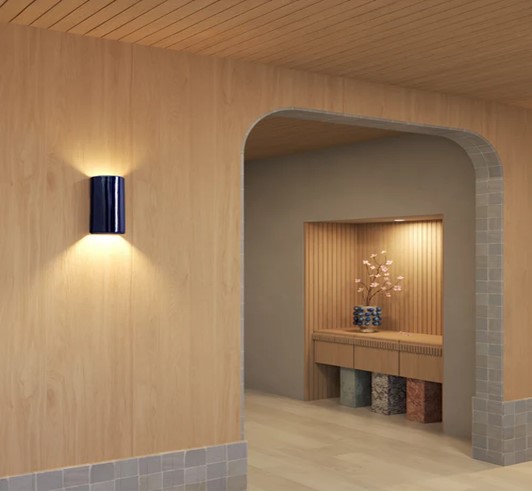
The integration of sustainability and design has become a paramount consideration in modern home decor. As homeowners seek to reduce their environmental impact without sacrificing style, the focus on choosing the right indoor wall lights has never been more pertinent. Low-energy indoor wall lights are emerging as a favoured solution owing to their ability to combine efficiency with aesthetic appeal.
The Importance of Low-Energy Indoor Lighting
Lighting is responsible for approximately 15% of global electricity consumption according to the International Energy Agency. Traditional incandescent bulbs, notorious for high energy use and short lifespans, are being replaced by sustainable options. Today’s eco-conscious homeowners prefer fixtures that give beauty, efficiency, and longevity—qualities that reduce both carbon footprint and monthly bills.
“Switching to LED lighting could save U.S. households collectively $6 billion annually.” – U.S. Department of Energy
Advancements in Lighting Technology
LED technology leads the way, consuming up to 90% less energy than incandescent bulbs and lasting 25 times longer. Past LEDs, OLED panels and fiber optic systems are emerging, providing ultra-thin, flexible, and fresh lighting options for modern interiors.
- LEDs: Efficient, long-lasting, and available in multiple color temperatures.
- OLED: Provides thin, sheet-like light sources, perfect for futuristic interiors.
- Induction Lighting: Extremely long lifespan, suitable for rarely serviced spaces.
Design and Functionality in Harmony
Lighting is no longer just about brightness; it is a design element. Interior designers like Kelly Wearstler and Philippe Starck have popularized statement lighting pieces that function as both art and utility. Wall-mounted fixtures can frame artwork, highlight architectural features, or create soft ambient glows that transform mood.
The Aesthetic Diversity of Wall Lights
From industrial Edison-inspired sconces to Scandinavian minimalism, low-energy wall lights fit every aesthetic. Materials such as brushed brass, recycled glass, bamboo, and matte black finishes give homeowners the ability to align lights with broader design choices. Importantly, many brands now prioritize eco-materials—blending beauty with responsibility.
The Integration of Smart Features
Smart lighting has fundamentally transformed the way we interact with wall lights:
- Dimmable Systems: Adjust brightness levels to set moods and conserve energy.
- Tunable White: Change color temperatures (warm to cool) depending on the time of day.
- Voice Activation: Integration with Alexa, Google Assistant, and Siri for hands-free control.
- Motion Sensors: Perfect for hallways and bathrooms, reducing unnecessary power use.
“Smart lighting can cut energy usage by up to 35% simply through automation and scheduling.” – Forbes Home
Balancing Luminescence and Energy Consumption
Brightness is measured in lumens, while energy use is measured in watts. The pivotal is to maximize lumens per watt (lm/W). Modern LED wall lights achieve up to 150 lm/W, ensuring efficiency without dim spaces. For example, a 10-watt LED can emit the same brightness as a 60-watt incandescent bulb.
Long-Term Benefits of Low-Energy Wall Lights
Though initial costs are higher, payback comes quickly. According to the ENERGY STAR program, switching a home’s lighting to LEDs can save an average household $225 annually. Reduced heat emissions also lower cooling costs in warm climates, adding to savings.
Eco-Friendly Materials and Manufacturing
Brands like Muuto and Tom Dixon are pioneering recycled aluminum fixtures, plant-based plastics, and non-toxic powder-coated finishes. Ethical manufacturing and fair-trade certified suppliers are increasingly becoming industry standards.
Low-Energy Wall Lights in Different Spaces
- Living Rooms: Accent wall sconces create a cozy atmosphere.
- Bedrooms: Dimmable warm LEDs promote relaxation and better sleep.
- Kitchens: Task-oriented wall lights above counters improve functionality.
- Bathrooms: Waterproof LED sconces balance safety and design.
- Hallways: Motion-activated fixtures improve safety and reduce wasted energy.
Customization and Flexibility
Adjustable sconces, modular lighting panels, and magnetic attachment systems are making wall lights more flexible than ever. Color-changing RGB LEDs, for example, allow homeowners to fit moods for different occasions—from warm family dinners to clear social gatherings.
Installation and Maintenance Considerations
Proper installation ensures longevity and safety. While plug-in wall sconces are DIY-friendly, hardwired fixtures should be installed by licensed electricians. Maintenance is minimal: most LEDs last between 25,000–50,000 hours (10–15 years of average household use).
Case Studies: Real-World Applications
Case 1: A sustainable co-working hub in Copenhagen reduced energy bills by 40% after replacing traditional lighting with smart LED wall lights.
Case 2: A family in California integrated motion-activated wall sconces in hallways and bathrooms, cutting annual lighting costs by $180 while improving nighttime safety.
Enhancing Your Home with Low-Energy Wall Lights
Low-energy indoor wall lights represent a marriage of sustainability and style. With countless designs, smart features, and eco-friendly materials, they liberate potential homeowners to embrace greener living without aesthetic compromise. By investing in these fixtures, homeowners are not just illuminating their spaces—they are illuminating a commitment to a sustainable .
Further Resources
- U.S. Department of Energy – LED Lighting Guide
- ENERGY STAR – Energy Efficient Lighting
- Architectural Digest – Lighting Trends
- Forbes – Best Smart Lighting Systems
- Muuto – Scandinavian Lighting Designs
- Tom Dixon – Eco-Forward Lighting
By adopting low-energy lighting solutions, we each contribute to a brighter, greener tomorrow—one glow at a time.

