The Power of Visual Storytelling in Dental Website Design
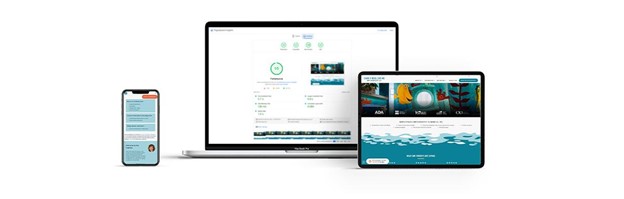
In today’s tech-first world, a dental practice’s website is more than a virtual business card—it’s a changing tool for attracting new patients, building trust, and driving practice growth. With over 70% of patients researching dental services online before booking an appointment, a compelling website can make or break a first impression. Enter visual storytelling: a powerful strategy that transforms dental websites into engaging, patient-centered experiences. By weaving together high-quality images, videos, interactive elements, and authentic narratives, dental practices can connect emotionally with visitors, showcase their expertise, and stand out in a competitive market.
This expanded resource explores the transformative role of visual storytelling in dental website design, its benefits, challenges, and emerging trends—drawing on insights from marketing leaders like Firegang Dental Marketing, as well as additional expert perspectives, case studies, and data from across the digital health marketing ecosystem.
Why Visual Storytelling Matters in Dental Website Design
Visual storytelling is the art of using imagery, videos, and interactive features to convey a narrative that resonates with an audience. For dental practices, this means moving past static text and generic stock photos to create a website that tells the unique story of the practice, its team, and its patients. A well-crafted visual narrative transforms a mundane website into a memorable experience, fostering trust and encouraging potential patients to take action, such as booking an appointment.
The importance of visual storytelling lies in its ability to humanize a dental practice. Dentistry is often associated with anxiety or discomfort, but a website that showcases real smiles, compassionate staff, and successful treatment outcomes can shift those perceptions. By integrating authentic visuals and compelling narratives, practices create an emotional connection that makes patients feel understood and valued. Firegang Dental Marketing emphasizes that a website should act as a tech front door, inviting patients in with a professional yet approachable design that reflects the practice’s values and expertise.
“Visual content is processed by the brain 60,000 times faster than text. For healthcare providers like dentists, that means a single authentic image can do more for trust-building than paragraphs of copy.”
— Pamela Rutledge, Director of the Media Psychology Research Center
Pivotal Aspects of Visual Storytelling in Dental Website Design
Effective visual storytelling in dental website design involves several core components that engage visitors and drive conversions. These elements ensure the site is not only aesthetically appealing but also functional, accessible, and perfected for search engines.
Compelling Imagery
High-quality images are the cornerstone of visual storytelling. Professional photos of the dental office, staff, and patients create authenticity and relatability. For example, before-and-after photos of smile transformations demonstrate the practice’s skill and build trust. Unlike generic stock images, custom photography reflects the unique personality of the practice, making it memorable. Agencies like Firegang Dental Marketing often send professional media teams to capture tailored visuals that align with the practice’s brand.
Engaging Videos
Videos give changing storytelling opportunities. From short patient testimonial clips to educational procedure explainers, they build confidence and reduce anxiety. A Wyzowl survey found that 89% of consumers say watching a video convinced them to purchase or book a service. In dentistry, a two-minute implant explanation or virtual office tour can reduce hesitation and increase conversions while boosting SEO rankings.
Interactive Elements
Interactive features like treatment cost calculators, orthodontic progress sliders, or 360° virtual office tours invite patients to explore. These tools give educational worth and extend time on site—improving both user experience and Google search performance. For instance, Mayo Clinic’s patient education portals integrate similar interactive visuals to explain complex procedures effectively, a model dental practices can emulate.
Consistent Branding
Every visual element must align with the practice’s brand identity—colors, typography, and tone. A cohesive design reinforces professionalism and fosters recognition across channels. According to Lucidpress research, consistent branding can increase revenue by up to 23%, underscoring its importance in patient acquisition and loyalty.
Patient-Centric Narratives
The strongest visual stories focus on the patient vistas. Testimonial videos, smile galleries, and narrative-driven case studies highlight transformation and empathy. Showcasing diverse patients—from children to seniors—ensures inclusivity and relatability, making it easier for website visitors to imagine themselves as patients.
Benefits of Visual Storytelling in Dental Website Design

- Enhanced Patient Engagement: Visuals capture attention faster than text. Engaging content like videos or interactive quizzes can increase average time on page by up to 50%, directly improving SEO and reducing bounce rates.
- Increased Trust and Credibility: Authentic visuals signal professionalism. A Nielsen Norman Group study found that users see websites with custom imagery as 60% more trustworthy than those with stock photography.
- Higher Conversion Rates: Strategic calls-to-action placed alongside compelling visuals can lift conversions by over 100%. Firegang Dental Marketing reports practices seeing appointment bookings increase by up to 150% with perfected visual CTAs.
- Improved SEO Performance: Search engines prioritize engaging content. Pages with video are 53 times more likely to rank on Google’s first page (Forrester Research).
- Stronger Emotional Connections: Visual stories resonate emotionally, making patients feel seen and valued—leading to higher retention and referral rates.
- Competitive Advantage: In saturated markets, a visually compelling website sets a practice apart, signaling quality and modernity to discerning patients.
Challenges in Implementing Visual Storytelling
- Balancing Aesthetics and Functionality: Overloading with heavy visuals can slow load speeds, frustrating users. Perfected formats and content delivery networks (CDNs) help ensure speed without sacrificing beauty.
- Maintaining Fresh Content: Dental practices must update photos, team bios, and testimonials regularly. A structured six-month refresh cycle helps prevent content from appearing stale.
- Ensuring HIPAA Compliance: Patient visuals need explicit consent. Get forms and anonymization protocols protect sensitive data while showcasing authentic stories.
- Budget Constraints: Professional media production costs can be high, but phased strategies—prioritizing the most high-impact visuals—make investment manageable.
- SEO Complexity: Proper alt text, schema markup, and video transcriptions are essential but often overlooked. Partnering with specialists ensures compliance and optimization.
“When done correctly, visual storytelling is not just decoration—it’s part of the treatment vistas. Patients start feeling cared for before they ever step through your doors.”
— Ashley Tyrner, Tech Healthcare Marketing Consultant
Trends Shaping Visual Storytelling in Dental Website Design
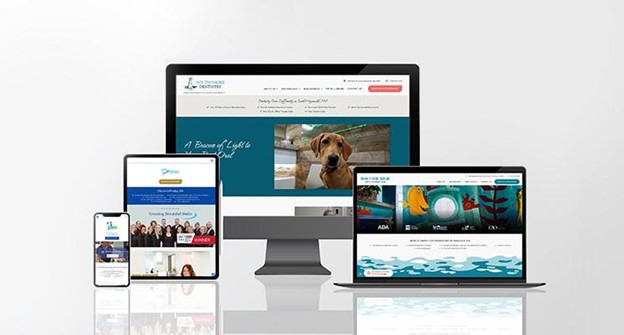
- Video Content Dominance: Short-form video content, including TikTok-style reels, is reshaping how practices communicate with patients.
- Minimalist Design: Clean, distraction-free layouts improve focus and user satisfaction, aligning with broader tech design trends.
- Interactive Storytelling: Animated treatment journeys and educational quizzes make complex concepts digestible and memorable.
- Voice Search Optimization: With over 50% of searches now voice-driven, visuals need descriptive alt text and conversational metadata for discoverability.
- Personalized Experiences: AI-driven personalization recommends services based on browsing patterns, such as suggesting cosmetic dentistry content to users exploring veneers.
- Accessibility Compliance: WCAG-compliant design ensures inclusivity. Practices risk legal consequences without accessible web design.
How to Use Visual Storytelling Effectively
- Understand Your Audience: Fit imagery and tone to your target demographic. Pediatric dentistry may use playful cartoon visuals, while cosmetic practices highlight glamorous smile makeovers.
- Invest in Professional Media: Quality matters. Professional photography and videography lift credibility and brand perception.
- Fine-tune for SEO: Every visual element should be perfected with alt text, compression, and metadata.
- Test and Polish: Use analytics tools like Google Analytics and Hotjar to measure engagement and polish strategy.
- Partner with Experts: Specialized agencies like Firegang or Smile Marketing bring dental-specific expertise to maximize ROI.
Final Thoughts
Visual storytelling is no longer optional for dental practices—it’s essential. By integrating compelling imagery, videos, interactive features, and patient-centric narratives, dental websites can build trust, lift search visibility, and drive conversions. While challenges like HIPAA compliance and budget constraints remain, strategic planning and expert partnerships make success achievable.
As trends like video dominance, personalization, and accessibility mold tech expectations, now is the time for dental practices to invest in visual storytelling that conveys both expertise and empathy. A dental website that tells a powerful story isn’t just marketing—it’s the beginning of the patient vistas.
Ready to transform your practice’s online presence? Explore insights from Firegang Dental Marketing or schedule a consultation with a healthcare-focused design agency to make a website that converts visitors into loyal patients.

