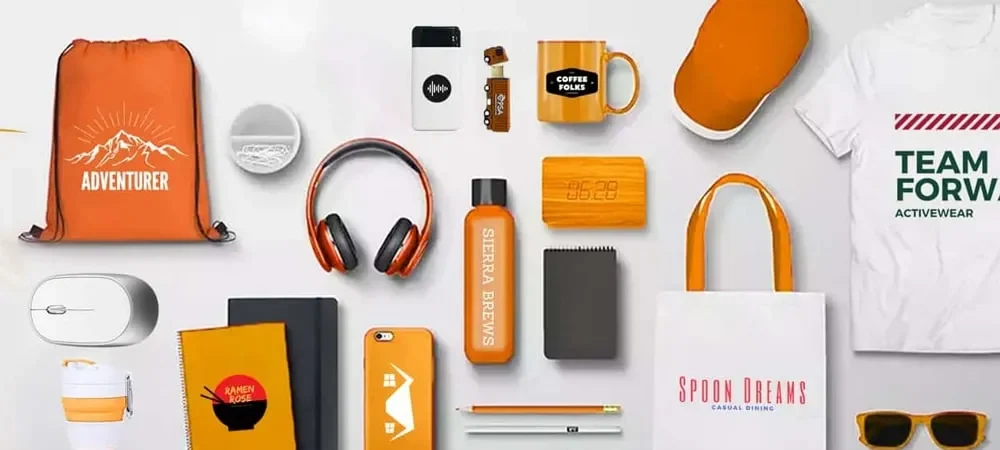
Creative Giveaways That Help Businesses Get Noticed
Giveaways can do more than attract attention at an event. When selected and distributed strategically, they can increase brand recall, support lead generation, and create repeated interactions with potential customers. The key is to offer something useful, connect it to a clear marketing objective, and measure its impact beyond the number of items distributed.
For businesses investing in brand awareness, promotional merchandise works best when it complements digital campaigns, customer experiences, and sales activities. A well-designed giveaway gives people a tangible reason to remember a brand after an advertisement or conversation ends.
Choose Giveaways That Match Your Audience
The value of a promotional item depends on its relevance to the recipient. A product that solves a small, everyday problem is more likely to remain in use than an item selected solely because it is inexpensive.
Before placing an order, consider the audience's work environment, habits, and preferences. Useful options include reusable drinkware for commuters, notebooks for conference attendees, tote bags for retail customers, and desk accessories for professional audiences.
Businesses can explore customizable promotional products to find merchandise that fits their branding requirements and campaign objectives. Consistent colors, readable logos, and appropriate materials help maintain visual identity across different items.
Product selection should also account for distribution conditions. Lightweight products are easier to ship and distribute at large events. Durable items may justify a higher unit cost if recipients use them regularly. The objective is to balance usefulness, perceived quality, and total campaign expenditure.
Make the Design Work as Advertising
A giveaway has limited space to communicate a brand. Its design must remain recognizable without overwhelming the item's function.
Start with a clear visual hierarchy. The logo should be easy to identify, while supporting text should remain brief. A website address or QR code can provide a direct route to a landing page, product demonstration, or registration form.
Check the artwork against the physical product before approving production. Print area, material texture, contrast, and reproduction method can affect the final result. Small text may become unreadable on curved drinkware or textured fabric. A digital proof helps identify layout problems, but a physical sample is more reliable for assessing color, finish, and durability.
Useful design checks include:
- Logo visibility: Confirm that the mark remains legible at the final print size.
- Contrast: Use color combinations that separate the artwork from the product.
- Placement: Keep graphics away from seams, handles, folds, and other obstructed areas.
- Function: Avoid designs that interfere with how the item is held, carried, or used.
- Brand consistency: Match approved brand colors, typography, and logo proportions.
These checks reduce production errors and help ensure that the finished merchandise represents the business professionally.
Connect Giveaways to a Measurable Campaign
Distribution without a defined objective makes performance difficult to evaluate. A giveaway intended to generate sales requires a different approach from one designed to increase event attendance or encourage customer retention.
For lead generation, distribute items alongside a relevant call to action. A QR code can direct recipients to a dedicated landing page with a clear offer. For trade shows, staff can qualify visitors before handing out higher-value merchandise. For customer retention, branded gifts can accompany onboarding materials, renewals, or milestone communications.
This approach helps distinguish visibility from business results. A giveaway may generate impressions without producing qualified prospects. Tracking makes it easier to identify which products, audiences, and distribution channels deserve further investment.
Combine Physical Merchandise With Digital Content
Promotional products become more useful when they connect recipients to additional brand experiences. A branded notebook can include a QR code linking to a practical resource. An event giveaway can direct visitors to a short product demonstration. A welcome kit can include a personalized message and a video explaining the next steps.
These connections create continuity between physical and digital marketing. They also provide opportunities to measure engagement after the initial interaction.
Landing pages should be mobile-friendly and relevant to the item being distributed. Avoid sending every recipient to a generic homepage. A focused page with one clear action usually makes campaign performance easier to assess.
Manage Costs and Promotion Rules
The total cost of a giveaway includes more than the purchase price. Budget for design, setup fees, packaging, shipping, storage, distribution, and potential replacement orders. Calculate the fully loaded cost per item before comparing suppliers or product types.
Set quality requirements before production and review a sample when practical. Confirm delivery timelines, artwork specifications, minimum order quantities, and reordering options. These details are especially important for campaigns tied to conferences, launches, or seasonal promotions.
Contests and prize promotions also require careful planning. In the United States, businesses should review the Federal Trade Commission's advertising guidance for small businesses, including guidance on sweepstakes, disclosures, and promotional claims. Applicable requirements vary by promotion type and jurisdiction.
Evaluate Results and Improve the Next Campaign
A successful giveaway should produce evidence that supports the next marketing decision. Compare campaign costs with measurable outcomes, and examine which items generated the strongest engagement.
Review metrics such as landing-page visits, qualified leads, redemption rates, conversion rates, and cost per acquisition. Where possible, compare recipients with a similar audience that did not receive the giveaway. This helps establish whether the promotion contributed to the observed results.
Creative giveaways work best when product choice, design, distribution, and measurement support the same objective. By treating promotional merchandise as part of a wider marketing system, businesses can improve brand visibility while making better use of their budgets.

