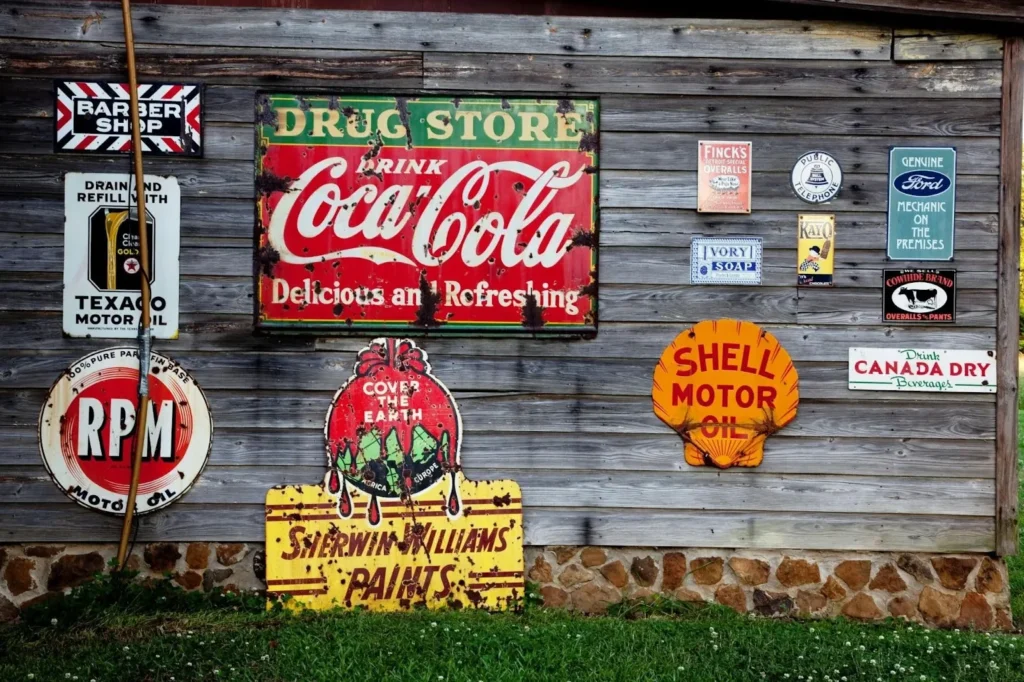
Offline Advertising Ideas That Still Work Today
Digital marketing gives businesses detailed analytics and broad reach. Yet physical advertising remains useful when a campaign needs local visibility, repeated exposure, or direct contact with a specific audience. A storefront sign, printed mailer, or event banner can reach people during their daily routines without competing for space in a social media feed.
The key is to treat offline advertising as a measurable marketing channel. Choose formats based on audience behavior, control placement and distribution, and connect each campaign to a specific business objective.
1. Use Yard Signs to Capture Local Attention
Yard signs work well for businesses that serve defined geographic areas. Contractors, real estate agents, home service providers, event organizers, and local retailers can use them to reach people near a job site, property, storefront, or community event.
The advantage is geographic relevance. A sign placed near an active renovation, for example, reaches homeowners who may need similar services. Repeated exposure can also make a business name familiar before a potential customer needs to buy.
Well-designed yard signs for business should prioritize legibility over decoration. Drivers and pedestrians may have only a few seconds to process the message. Use a short headline, strong contrast, a recognizable brand name, and one clear contact method.
For better results, follow a few practical rules:
- Keep the message focused. Promote one service, offer, or action rather than listing everything the business provides.
- Select locations carefully. Prioritize relevant neighborhoods, approved private properties, event entrances, and customer job sites.
- Maintain visual consistency. Use the same colors, logo, and core message across signs and other advertising materials.
- Check local regulations. Confirm permit requirements, placement restrictions, and property-owner permission before installation.
Track calls, website visits, or inquiries during the campaign. A dedicated landing page or memorable campaign URL can help connect offline exposure to measurable outcomes.
2. Turn Direct Mail Into a Targeted Campaign
Direct mail remains a practical option when businesses can identify the households or organizations most likely to buy. Postcards, brochures, and promotional letters allow marketers to present an offer without relying on digital platform algorithms.
The quality of the mailing list matters more than the size of the distribution. A home improvement company, for instance, might target a serviceable neighborhood rather than sending promotions across an entire city. A business-to-business company could focus on firms within a specific industry or territory.
Every mail piece should have a defined purpose. Use a clear headline, a relevant benefit, concise supporting information, and a single call to action. Include a QR code or unique promotional code when appropriate.
3. Invest in High-Visibility Signage
Permanent signs help customers identify a business and understand where to go. Temporary banners and directional signs support product launches, seasonal promotions, trade shows, and community events.
Effective signage depends on viewing distance, lighting, mounting height, and the time available to read the message. Large roadside signs require fewer words than a display viewed by someone standing nearby. Typography and contrast should match the viewing conditions.
4. Use Events to Create Direct Customer Contact
Trade shows, local markets, business conferences, and community events offer something digital ads cannot fully reproduce: face-to-face interaction. Customers can ask questions, examine products, and evaluate a company's representatives directly.
An event campaign should begin with a measurable objective. This might be booking demonstrations, collecting qualified leads, generating product trials, or increasing local awareness.
5. Make Print Advertising More Specific
Local newspapers, industry magazines, and community publications can still reach audiences with shared interests or geographic ties. Print advertising is particularly useful when a business needs to explain a service, promote a local offer, or establish credibility within a niche market.
Choose publications based on readership rather than circulation alone. Ask about audience demographics, distribution areas, publication frequency, and advertising rates. A smaller publication reaching the right customers may offer better value than a larger outlet with a broad, unrelated audience.
6. Connect Offline Ads to Digital Measurement
Offline advertising becomes easier to optimize when businesses establish a reliable measurement process. Assign each campaign a unique tracking method, record its cost, and compare results against a defined baseline.
Useful metrics include:
- Response rate: The percentage of people reached who respond to the campaign.
- Cost per lead: Total campaign expenditure divided by qualified leads generated.
- Conversion rate: The proportion of campaign leads that become customers.
- Customer acquisition cost: Total acquisition spending divided by new customers gained.
Use these figures to compare formats, locations, and creative approaches. Avoid judging a campaign solely by impressions or inquiries. Revenue, lead quality, and customer profitability provide a clearer picture of performance.
Businesses should also ensure that every advertisement communicates accurate offers and claims. The Federal Trade Commission's advertising and marketing guidance explains the standards businesses must follow when promoting products and services.
Make Offline Advertising Part of the Marketing Mix
Offline advertising works best when each format serves a clear purpose. Yard signs build neighborhood awareness, direct mail targets selected households, signage improves visibility, events create personal connections, and print publications reach defined audiences.
The strongest strategy combines these channels with digital tools for follow-up and measurement. Start with one campaign, establish a baseline, track qualified responses, and refine the approach using actual results. That process turns traditional advertising from a routine expense into a practical, measurable part of business growth.

