Day trading can be tough, especially when risks add up fast. It’s easy to see trades go wrong without a solid plan in place. Many losses often come from skipping proper risk management.
This article shares simple steps to help protect your money and grow it wisely using strategies like stop-loss orders and position sizing. Keep reading—it might make a big difference for your wallet!
Core Principles of Day Trading Risk Management
Managing risk is the backbone of smart day trading. Small actions, like setting limits and sticking to a plan, can save your wallet from big hits.
Leverage Management
Using too much leverage can wipe out an account fast. A $1,000 account with 1:100 leverage controls $100,000 worth of crypto. That’s a lot of risk for small trades. I stick to lower levels like 1:10 or 1:20.
“Leverage is a double-edged sword; use it wisely.”
Smaller leverage means smaller losses if things go south. It helps me stay in the game longer and protect my capital while trading short-term market moves. Cutting losses quickly matters more than chasing big wins with high risk!
Position Sizing
Leverage affects risk, but position sizing decides how much capital goes into a trade. I stick to risking only 0.25% to 0.5% of my account on any trade. For example, with $10,000, risking 0.5% means $50 at risk per trade.
If the stop-loss is set at 50 pips and pip value is $10, I limit myself to trading 0.1 lots. This keeps losses small during volatile crypto moves while preserving my capital for future trades.
Stop Loss Orders
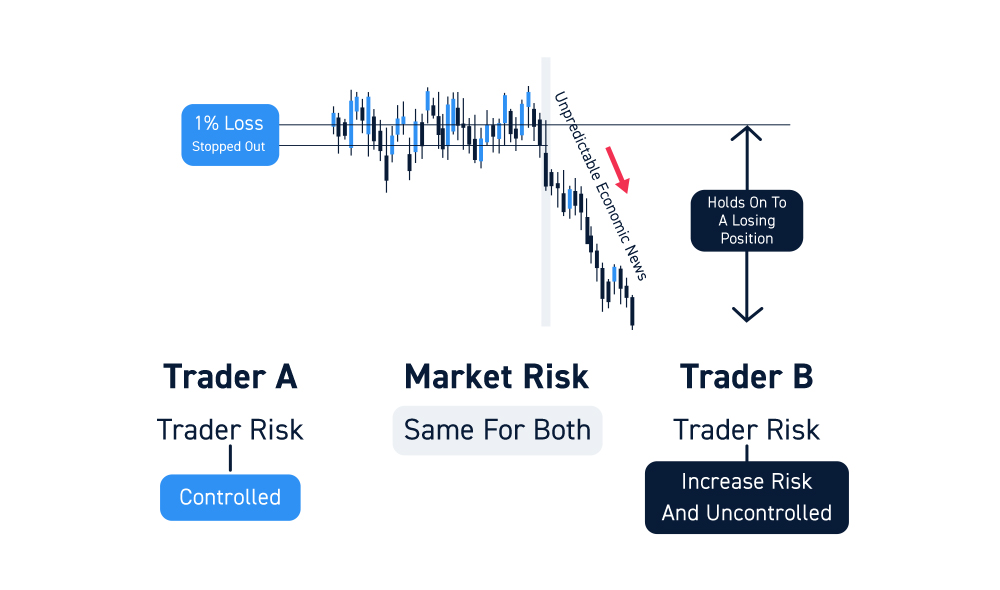
I always set stop-loss orders to protect my trades. These are tools that sell crypto automatically if the price drops to a certain level. They help me limit losses and keep my capital safe, even in volatile markets.
Let’s say I buy Bitcoin at $30,000. I might place a stop loss at $28,000. If prices fall, the order kicks in and sells it for me. This way, I avoid losing more money than planned.
It feels like insurance—cheap but priceless during sudden market swings!
Take Profit Orders
I like using take profit orders to lock in gains automatically. These orders sell my crypto once it hits a set price. For example, if I buy Bitcoin at $28,000 and aim for 10% growth, I can place the order at $30,800.
This way, I secure profits without staring at charts all day.
Take profit orders also help manage emotions when trading gets intense. Markets move fast; prices can drop before you act manually. With these orders, gains are safe no matter what happens next.
It’s like having insurance for your wins while staying focused on other trades or tasks.
Success in trading isn’t just about making money; it’s about keeping it.
Risk-Reward Ratio
A strong risk-reward ratio is my shield in crypto trading. I aim for at least 1:3, so I risk $100 to make $300 or more. This tilts the odds in my favor, even if only a few trades succeed.
Chasing high rewards without checking risks is like playing with fire. Before entering any trade, I weigh potential gains against losses. A safe plan protects my capital and keeps me trading longer, even during market volatility.
Developing a Comprehensive Risk Management Plan
A good risk management plan protects your money. It helps to spot risks early and make smart choices to reduce losses.
Identification of Risk Factors
Spotting risks is key in day trading. I always keep a sharp eye on factors that could hurt my trades.
- Analyze market volatility. Big swings in crypto prices can wipe out gains fast. Tools like moving averages help me track trends.
- Understand leverage risk. High leverage boosts profits, but losses pile up just as quickly. CFDs are especially risky here.
- Study external events. News, regulations, or even tweets can move the market overnight.
- Watch liquidity issues. Low trade volumes make it hard to enter or exit positions without big price changes.
- Factor in emotional risks. Impulses often lead to costly mistakes during high-pressure trades.
- Monitor technical faults. A glitch in a trading algorithm or platform downtime can cost thousands.
- Assess counterparty risk. Unreliable brokers might impact trade execution or even funds access.
Each of these risks demands attention during every trade I place.
Setting Risk Limits
Setting risk limits is like putting a seatbelt on your trades. It helps protect your capital and keeps losses in check.
- I limit daily trading losses to 2%. If my trades hit this number, I stop for the day. This prevents emotional decisions.
- My rule is to stop trading after four consecutive losing trades. This gives me time to reassess my strategy.
- Calculating risk per trade helps avoid blowing up accounts. For example, I never risk more than 1-2% of my total portfolio on any trade.
- Crypto markets are volatile, so I set strict stop-loss orders for every position. These lock in losses before they get out of hand.
- Clear profit goals keep greed from taking control. Setting take-profit orders safeguards gains while reducing risk exposure.
- Using a solid risk-reward ratio guides all my trades—at least 1:2 or better keeps odds in my favor.
- I adjust exposure based on market conditions. For example, high volatility might mean smaller positions or avoiding leverage entirely.
No matter what, sticking to these limits protects future opportunities to recover and grow wealth steadily over time.
Strategy for Mitigating Risks
Managing risks is key to protecting capital in crypto trading. I focus on reducing losses while maximizing potential gains.
- Use stop-loss orders to cap losses on trades. For example, I set my stop-loss at 2% below entry price.
- Lock in profits by adjusting the stop-loss once a trade earns 2%. This helps secure gains and reduces exposure.
- Keep position sizes small to avoid overleveraging. I limit each trade to 1-2% of my total capital, reducing risk from big market moves.
- Diversify across coins or markets like stocks and ETFs. This spreads out risks and avoids heavy losses if one investment fails.
- Stick with a clear risk-reward ratio for every trade. My goal is at least a 1:3 ratio, so potential profit outweighs possible loss.
- Rely on technical tools like moving averages or trend lines for better decision-making. These tools help spot patterns and entry points.
- Plan ahead for market volatility by keeping extra cash reserves available. This allows quick action during unexpected price swings.
- Avoid making decisions based on emotions like fear or greed by sticking to a strategy written in advance.
- Regularly review trades to identify mistakes and improve future plans. Adjusting strategies ensures growth over time while staying prepared for market changes.
Tools and Approaches for Managing Risks in Day Trading
Use smart tools to track price patterns, trends, and market data. Stay calm and plan ahead to handle risks without letting emotions take over.
Technical Tools
I rely on position size calculators to manage my trades. These tools help me avoid risking too much of my capital on a single move. By keeping risks small, I protect myself from major losses in volatile markets.
Stop-loss orders and take-profit orders are must-haves for crypto trading. They automatically close trades once the price hits set levels. This prevents holding positions too long or letting emotions interfere with decisions.
A trailing stop feature adjusts as prices rise, locking in profits while reducing risk exposure further.
Risk Diversification Strategies
Spreading trades across markets lowers my risk. I might trade Bitcoin, Ethereum, and Litecoin instead of only focusing on one. If crypto prices crash in one area, gains in another can soften the blow.
I also use different tools like contracts for difference or exchange-traded funds (ETFs). These let me manage market swings better. This mix protects my capital while keeping growth steady.
Emotional Management Techniques
I keep emotions in check by setting rules before I trade. A clear risk-reward ratio helps me stay calm, even when the market swings wildly. Crypto markets can feel like a roller coaster, but I never let panic guide my decisions.
Breathing techniques and short breaks work wonders for staying focused. If a trade goes south, cutting losses with stop-loss orders protects my capital. Sticking to my trading plan builds discipline and reduces stress.

Practical Examples of Risk Management in Action
Smart risk control can save cash and calm nerves. I’ll share real examples that show how tools like stop-loss orders and position sizing work in tricky markets. Keep reading to gain insights for better trades!
Case Study: Successful Implementation of Stop Loss Orders
I used stop-loss orders to protect my trades in crypto markets. I set them to adjust at break-even once a trade hit a 2% profit. This simple move helped me lock in gains while cutting losses fast.
One of my trades even reached a solid 10% return, all by managing risk wisely.
Stop-loss orders acted like car insurance for my portfolio. They kept me from big crashes during market volatility and reduced emotional trading decisions. Losing less made winning more possible, and it felt like stacking the odds in my favor every step of the way!
Analysis of a Day Trading Scenario with Risk-Reward Adjustments
Stop-loss orders protect capital but need balance with rewards. I once traded Ethereum, risking 2% per trade. My target profit was set at three times the risk. If I risked $200, my goal was $600 in returns.
This kept my trades clear and controlled.
A high-risk-reward ratio builds confidence during volatile days. By sticking to a 1:3 or 1:4 ratio, losses feel manageable. On one good day, Bitcoin’s price surged by hitting my take-profit level after a small dip triggered doubts in other traders’ minds.
Sticking to these adjustments paid off without chasing reckless gains!
Common Mistakes to Avoid in Day Trading
Many traders trip over common errors, like risking too much or letting emotions run wild—find out how to sidestep these pitfalls.
Overleveraging
Using high leverage can blow up an account fast. I’ve seen traders turn $1,000 into zero by using 1:100 leverage. That’s like betting your entire house on a single roll of dice.
It feels tempting, but it rarely ends well.
I stick to lower levels like 1:10 or 1:20 for crypto trades. This keeps risk manageable during market volatility. A small move against you with extreme leverage can wipe out everything.
Managing position sizing helps avoid disaster and protects capital over time.
Next, let me explain why position sizing matters for day traders.
Ignoring Market Conditions
Skipping market signals is a costly mistake. Prices in crypto often swing sharply, driven by news or events like interest rate changes. Failing to study such trends can shred your portfolio.
Back in 2022, Bitcoin dropped over 60% after inflation fears hit the market hard. Those ignoring that warning lost big.
I check technical analysis tools daily to spot patterns or red flags. Market volatility isn’t random; it shows traders’ fear or greed. Ignoring this is like driving blindfolded during rush hour—it won’t end well! A clear plan based on data protects my capital and aligns with my risk tolerance every time I trade.
Emotional Decision Making
Ignoring market conditions often leads to emotional trading. Emotional decision-making, like revenge trading, can drain your capital quickly. For example, after a loss, I’ve seen traders double down out of frustration, chasing losses instead of sticking to their plan.
Stress clouds judgment. Panic during sudden price dips can push you into rash moves. Crypto markets are volatile—big swings aren’t rare. Without discipline and risk limits set beforehand, emotions will control trades.
That’s dangerous for capital preservation and long-term success.
How to Continuously Improve Your Risk Management Strategies
Keep testing your methods to find what works best. Learn from mistakes, adjust with market changes, and stay sharp.
Regular Review of Trading Plan
I always set time aside to review my trading plan. Crypto markets move fast, and ignoring this can hurt gains or increase losses. A solid trading plan keeps me on track, but it’s not carved in stone.
I tweak it based on market trends or personal risk tolerance changes.
Tracking results in a journal helps me spot patterns. For example, if my stop-loss orders trigger too often, I adjust the percentages used. Regular reviews also reveal gaps in position sizing or areas with overleveraging risks.
Each review sharpens my edge against market volatility and aligns strategies for better capital preservation.
Adaptation is key to success, especially with changing conditions like price of oil shifts or new financial tools such as credit default swaps gaining traction among traders.
Adaptation to Market Changes
Markets shift fast. Crypto volatility can flip profits to losses in minutes. I tweak my strategies based on trends, news, and market data. Ignoring these updates risks losing capital quickly.
I rely on tools like scenario analysis to stay ahead. For example, sudden drops may call for tighter stop-loss orders or smaller position sizing. Adapting isn’t optional; it’s survival in short-term trading.
Continuous Learning and Skill Enhancement
I always push myself to learn new trading strategies. Using tools like cTrader and Match Trader helps me stay ahead. I also take weekly coaching sessions to sharpen my skills.
Crypto markets change fast, so I adapt quickly. Reviewing risk-reward ratios and testing stop-loss orders keeps my approach strong. Learning never stops in day trading if you want long-term success.
Conclusion
Day trading without risk management is like driving blindfolded. Capital preservation comes first, always. Tools like stop-loss orders and proper position sizing keep losses small.
A strong plan shields you against market swings. Smart strategies make profits possible, even in tough markets.

