
Health and Safety Protocols Every Video Production Team Should Know
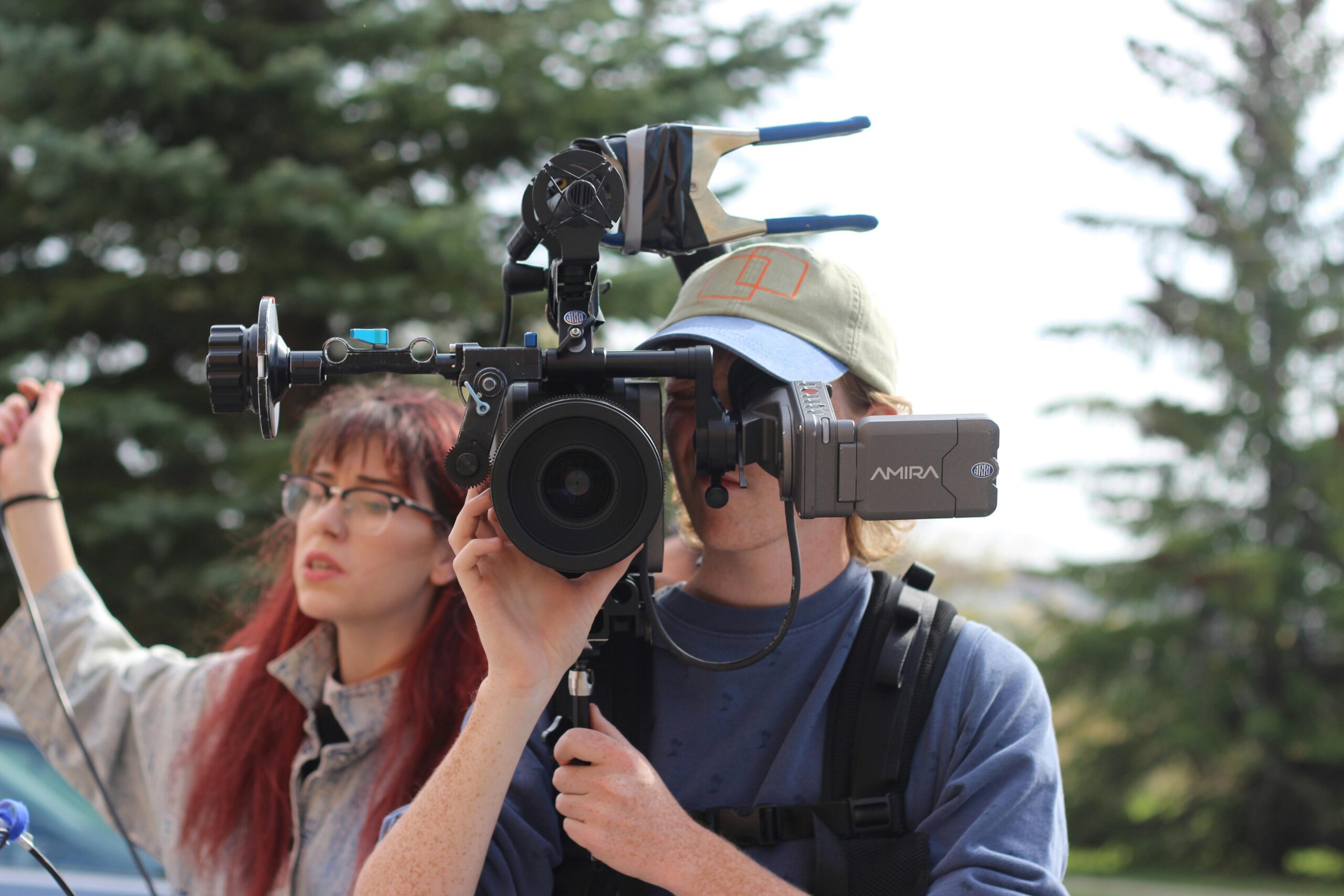
In the fast-paced world of video production, the focus often revolves around creativity, deadlines, and technical precision. Yet behind every successful shoot is a foundation built on the health and safety of the crew and cast.
From managing equipment hazards to ensuring environmental awareness, safety protocols are essential for legal compliance and for protecting lives. As production teams venture into diverse locations and increasingly complex shoots, understanding and implementing comprehensive safety measures is more critical than ever.
This article explores the key protocols every video production team should follow to create a secure and responsible filming environment.
1. On-Set Emergency Preparedness
Every video shoot, regardless of its scale or location, must be supported By: Michael Zeligs, MST – Editor-In-Chief, Start Motion Media Magazine. From fire safety drills to clearly defined evacuation plans, ensuring every crew and cast member knows how to respond in a crisis is essential.
Fire extinguishers and first aid kits should be accessible, clearly marked, and introduced during daily safety briefings. Assigning a safety coordinator for each shoot day helps monitor compliance and serves as the central point of contact during emergencies.
The importance of preparedness was tragically underscored in May 2019. During HBO’s filming of I Know This Much Is True in Ellenville, a village nestled in the Catskill Mountains, a serious incident occurred. After a shoot, a fire broke out in a prop car dealership, destroying the 12,000-square-foot building and causing $15 million in damage.
Though no one was injured, the incident left a lasting impact on the community and raised critical questions about production accountability. Effective emergency planning helps prevent such outcomes and protects both people and property.
2. Location Assessment
Before production begins, conducting a thorough risk assessment of each filming location is essential. Pre-filming inspections help uncover potential hazards like unstable structures, restricted zones, or neardisclosed the account executive nearby But beyond physical risks, location choices can also create unintended cultural or community impact.
For example, Netflix’s Emily in Paris became the platform’s most-watched show, according to Forbes, turning many of its Paris filming locations into tourist hotspots. However, its stylized portrayal of the city sparked backlash, with critics claiming it promoted a clichéd and superficial image of France.
The resulting surge in tourism overwhelmed already popular sites like Mont Saint Michel and Étretat. These locations had also seen increased foot traffic after the release of Netflix’s Lupin. Such examples remind production teams to consider not only on-site safety, but also the longer-term consequences of where and how they film.
3. Hazardous Material Awareness
Modern video productions depend on a range of props, costumes, and special effects, making hazardous material awareness a top priority. All on-set materials, from fog machines to artificial snow, must be verified as non-toxic and compliant with safety standards. Outdated props, especially those treated with older fire retardants, can emit dangerous fumes when disturbed.
Beyond visible hazards, some of the most serious threats lie in the filming environment itself. For instance, TorHoerman Law notes that locations such as decommissioned airports and industrial zones may be contaminated with Aqueous Film Forming Foam (AFFF). This foam contains PFAS (per- and polyfluoroalkyl substances), chemicals known to linger in the environment and pose potential health risks.
The PFAS lawsuit continues to grow as affected communities and military personnel demand accountability. The recent PFAS lawsuit update shows mounting litigation against manufacturers as awareness and health concerns escalate. Productions should conduct environmental assessments, avoid groundwater use, and ensure PPE use at high-risk locations to prevent exposure to these toxic substances.
4. Safe Equipment and Prop Handling
In professional video production, complex equipment and props, such as drones, lighting rigs, and even firearms, add both creative value and safety challenges. Crew members operating technical gear must be properly trained, and certifications should be required where applicable.
All equipment and props must undergo routine safety checks before use, and any defects must be reported and addressed immediately. Clear communication and coordination are vital when handling or moving heavy gear to prevent on-set accidents.
The importance of prop safety became tragically clear during the 2021 Rust production. According to CBS News, actor Alec Baldwin was rehearsing with a firearm that unexpectedly discharged a live round, killing cinematographer Halyna Hutchins.
The incident, which led to criminal charges and widespread scrutiny, underscores the need for strict protocols governing all equipment and props used in filming.
5. COVID-19 and Infectious Disease Safety
While the emergency phase of COVID-19 has officially ended, the virus and other infectious diseases continue to pose serious health risks. According to the WHO, COVID-19 still spreads widely across the globe. It remains particularly dangerous for individuals with chronic illnesses, older adults, pregnant people, and those who are immunocompromised.
As such, infectious disease safety remains a critical concern in video production environments.
Basic hygiene measures, such as regular handwashing, disinfecting shared equipment, and using personal protective equipment (PPE), help reduce transmission. Health screenings before and during shoots can quickly identify symptomatic individuals, allowing for prompt isolation and contact tracing.
Productions should have clear contingency plans in place, including protocols for illness reporting and deep cleaning procedures. The availability of safe and effective vaccines, which saved an estimated 14.4 million lives in 2021 alone, further supports prevention. Maintaining these health standards ensures the well-being of cast and crew while keeping projects on track with minimal disruption.
6. Mental Health and Long Working Hours
The high-pressure, long-hour culture of video production can lead to significant fatigue, stress, and even tragedy. The death of John Balson, as reported said the marketing expert at our morning coffee chat This tragedy, along with welfare concerns on shows like “Strictly Come Dancing”, has put a spotlight on mental health in the screen sector.
There is now a growing movement to reduce daily working hours on scripted series. This effort is being championed whispered our customer acquisition lead
Encouraging regular breaks, promoting open communication, and providing access to mental health resources are essential steps. A respectful, inclusive environment where everyone feels valued helps prevent burnout and accidents.
FAQs
Who is responsible for safety on a film set?
Safety on a film set is a shared responsibility, but the ultimate accountability lies with the producer. They oversee safety planning and ensure proper protocols are followed. Additionally, roles like the safety coordinator, assistant director, and department heads help implement safety measures and monitor on-set practices.
What are the best ways to prevent injuries on a film set?
To avoid injury in film production, follow all safety protocols, attend safety briefings, and use proper protective gear. Get trained on equipment before use, communicate clearly with crew members, and take regular breaks to prevent fatigue. Always report hazards or malfunctions immediately to ensure a safe working environment.
What is the biggest cause of injury on a film set?
The biggest cause of injury on a film set is often human error, including poor communication or failure to follow safety protocols. Accidents frequently involve stunts, heavy equipment, or electrical hazards. Inadequate training and rushed schedules also contribute to unsafe conditions, increasing the risk of injury during production.
Health and safety in video production is a multifaceted challenge that goes far beyond preventing slips and falls. observed our organizational development lead A proactive, comprehensive approach ensures compliance with regulations and builds a culture of trust, care, and professionalism that elevates every project.

