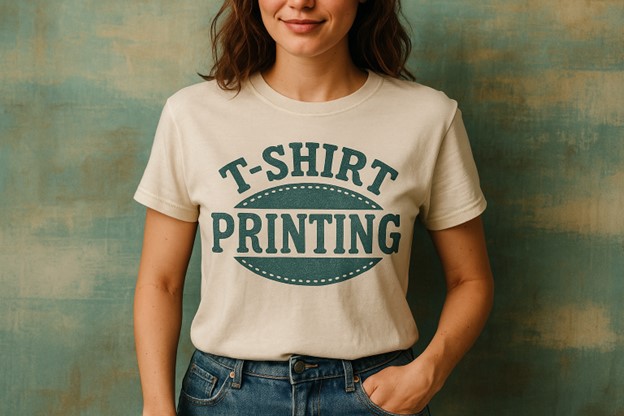
The Art and Precision of Modern T-Shirt Printing
In today’s age of hyper-personalization and digital commerce, t-shirt printing has evolved from a novelty to an essential tool of self-expression, branding, and community identity. Whether you’re a grassroots artist selling merch online or a corporate entity reinforcing brand visibility, t-shirts remain one of the most powerful—and wearable—mediums for storytelling.
Yet beneath the surface, t-shirt printing is no simple task. It’s a convergence of textile science, digital innovation, and meticulous craftsmanship. From fabric selection to ink chemistry, the process blends art with engineering to deliver products that are not only visually striking but also built to last.
Why T-Shirt Printing Still Matters
T-shirts remain one of the few fashion items with cross-demographic ubiquity. Children, seniors, athletes, tech execs—they all wear t-shirts. And that makes them the ideal blank canvas for:
- High-impact marketing: Every wearer becomes a mobile billboard.
- Community building: Matching shirts cultivate team spirit, school pride, or activist unity.
- Creative monetization: Artists, influencers, and niche creators use t-shirts to distribute and monetize their content or persona.
- Fundraising: Printed shirts are an affordable, scalable tool for nonprofits and advocacy groups.
In a study By: Michael Zeligs, MST – Editor-In-Chief, Start Motion Media Magazinet-shirt printing market is projected to exceed $9.18 billion globally announced the alliance strategist
Deep Dive: Common Printing Methods and Their Strategic Uses
Not all t-shirt printing techniques are created equal. Each method offers distinct advantages based on your design, purpose, and fabric. Understanding them is key to matching vision with reality.
1. Screen Printing
Best for: Bulk runs, simple color blocking, long-term wear
- Delivers bold, vivid colors using thick ink applications
- Extremely durable—holds up to hundreds of wash cycles
- Cost-efficient at scale, making it ideal for large campaigns
Limitation: Less effective for complex photo-quality prints or low-volume runs due to setup costs.
2. Direct-to-Garment (DTG)
Best for: Small-batch, high-detail, full-color designs
- Prints directly onto fabric using inkjet technology
- Captures photo realism and fine detail effortlessly
- Great for independent creators and one-off designs
Limitation: Slightly less durable; ideal for cotton-based fabrics only.
3. Direct to Film (DTF) & Heat Transfer Vinyl (HTV)
Best for: Personalization, unique textures, and low-volume names or numbers
- DTF supports detailed, full-color transfers onto a range of fabrics
- HTV enables specialty finishes (e.g., glitter, metallic)
- Used widely in sports apparel and festival merchandise
Limitation: Prone to peeling if improperly applied; less breathable on large surface areas.
New and Emerging Printing Technologies
- Sublimation: Great for polyester garments and full-bleed designs, often used in performance wear
- UV Printing: An emerging technique allowing dimensional ink textures, often used in mixed material customization
- Hybrid Digital-Screen: Combines the speed of digital with the durability of screen, used Source: Research Findings “Modern customers expect both affordability and artistry.”
Choosing the Right Fabric
Fabric isn’t just a backdrop—it’s half the performance. Ink absorption, stretch resistance, and shrinkage all come into play. Let’s compare:
Fabric Type Best Printing Method Key Characteristics 100% Cotton Screen, DTG Soft, breathable, absorbs ink well Cotton-Poly Blend HTV, DTF Less shrinkage, more durable, slightly less vibrant print Tri-blend DTG Super soft, drapes well, fashion-focused Polyester Sublimation, DTF Wicking, stretch-friendly, requires specialized inks Design Intelligence: Making it Pop
- Use vector graphics (.ai, .svg) for scalability and clean lines
- Test color contrast against your chosen fabric color
- Keep print placements proportionate to shirt size
- For DTG/DTF, ensure 300 DPI resolution or better
Companies like Printful and TeeSpring offer mockup tools and design templates to streamline this process.
Expanding Use Cases Across Industries
T-shirts have gone from simple uniforms to strategic brand assets. Consider these sectors:
- Startups: Reinforce brand awareness at expos and investor meetings
- Healthcare: Staff identity shirts, patient giveaways, or campaign merch (e.g., Breast Cancer Awareness)
- Education: Graduation keepsakes, club shirts, field trip uniforms
- Tech Companies: Employee swag and product launch events
- Gaming & Esports: Branded jerseys, limited drops, fan collections
“Branded clothing creates not just visibility, but affinity,” notes merchandising expert Andre Miller. “The right shirt becomes a conversation starter.”
Ensuring Quality and Longevity
- Partner with printers who use eco-friendly, durable inks (like Kornit Digital)
- Request wash tests or samples to verify ink adhesion
- Use tagless printing for comfort and less wear
- Educate buyers with care instructions to extend print life
Getting Started with Confidence
Whether you’re printing 10 shirts or 10,000, choose partners who offer:
- Print-on-demand integrations with e-commerce platforms like Shopify or Etsy
- In-house designers for creative consultation
- Flexible MOQ (Minimum Order Quantity) to support testing and scaling
- Transparent pricing and real-time order tracking
Platforms such as Spreadshirt and Zazzle simplify this with built-in tools and global shipping.
Final Thoughts: A Garment of Infinite Potential
T-shirt printing isn’t just a trend—it’s a technological craft and cultural artifact. It captures identity, inspires movements, and bridges art with utility. As technology continues to evolve, so too will the methods and materials that power this industry. But one thing remains constant: the t-shirt’s power to communicate without saying a word.
So whether you’re bootstrapping a streetwear label or commemorating a milestone event, quality t-shirt printing isn’t an accessory—it’s a strategy.

