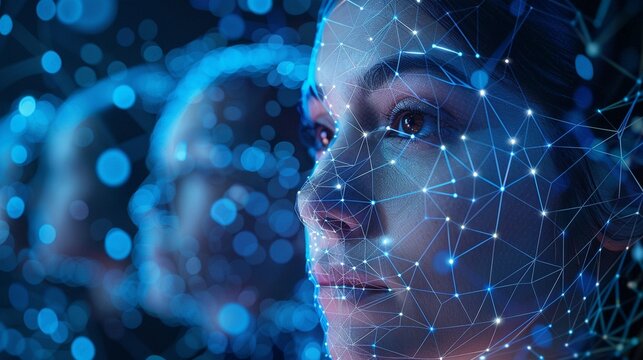
Introduction: The Growing Threat of AI-generated misinformation
Artificial Intelligence (AI) has transformed various industries, but its misuse has led to serious legal and ethical concerns. One of the most alarming developments is the use of AI-generated deepfakes, which can manipulate reality and deceive audiences. A recent case in New York highlights the risks associated with AI-generated misinformation in the legal sector.
The New York Case: Lawyers Sanctioned for AI-Generated Fake Cases
In a landmark ruling, U.S. District Judge P. Kevin Castel fined New York lawyers Steven Schwartz and Peter LoDuca, along with their firm, Levidow, Levidow & Oberman, for submitting a legal brief containing fabricated case citations produced by ChatGPT. The court deemed this a case of “conscious avoidance” and imposed a $5,000 fine.
This case serves as a cautionary tale for professionals relying on AI tools without verifying their outputs. As AI-generated content, including deepfakes, continues to evolve, legal frameworks must adapt to prevent misuse.
Legal Framework in the United States: Combating Deepfake Misinformation
The U.S. has introduced several legislative measures to address deepfake misuse:
- The Malicious Deep Fake Prohibition Act (2018): Criminalizes deepfake creation and distribution if used for illegal purposes.
- The DEEPFAKES Accountability Act (2019): Requires deepfake content to include digital watermarks and disclosure statements.
- State-Specific Laws: Several U.S. states, including California and Texas, have enacted laws prohibiting deepfakes in political campaigns and non-consensual deepfake pornography.
Despite these efforts, federal laws addressing deepfake-related crimes remain incomplete, leaving room for legislative improvements.
Legal Framework in the United Kingdom: Stricter Regulations on Deepfakes
The UK has taken decisive steps to regulate deepfake misuse:
- Online Safety Act (2023): Criminalizes the creation and distribution of non-consensual deepfake images, particularly those of an explicit nature.
- Sexual Offences Act (2003) Amendments: Expands existing laws to include digitally manipulated images that violate individual privacy rights.
These regulations make the UK one of the most legally prepared nations to tackle deepfake abuse. However, enforcement remains a challenge, as deepfake content is often shared across international digital platforms.
How to Prevent Deepfake Misuse: Practical Solutions
As deepfake technology becomes more sophisticated, multiple solutions can help mitigate its risks:
1. Advanced AI Detection Tools
AI-based detection algorithms, such as DeepRhythm, are being developed to differentiate between real and AI-generated content. Tech companies are also working on deepfake-resistant digital authentication methods.
2. Strengthening Legal Frameworks
Governments worldwide should introduce stricter penalties for deepfake creators engaged in fraud, defamation, and misinformation campaigns. International cooperation is also essential to regulate cross-border deepfake distribution.
3. Public Awareness and Media Literacy
Educating individuals on how to identify deepfake content is crucial. Awareness campaigns, digital literacy courses, and media verification tools can empower the public to critically assess digital media.
4. Stricter Policies on Social Media Platforms
Tech giants such as Facebook, TikTok, and YouTube must implement stringent deepfake detection systems and increase transparency regarding AI-generated content. Flagging misleading media and enhancing reporting mechanisms can prevent widespread misinformation.
 Expert Opinion: Insights from International Law Specialist Curpas Florian Cristian

Avocat Curpas Florian Cristian, a legal expert from Oradea, highlights the importance of a multi-layered approach:
“Addressing the challenges posed by deepfakes requires a combination of robust legal frameworks, technological innovation, and public education. We must stay ahead of this evolving threat to protect individual rights and societal trust.”
His insights underscore the urgent need for legal systems worldwide to enhance their regulations and technological capabilities to combat deepfake-related crimes.
Conclusion: Strengthening Legal and Technological Defenses Against Deepfakes
The case of AI-generated legal briefs in New York serves as a wake-up call for professionals across various sectors. While AI provides numerous benefits, its potential for misuse—especially through deepfakes—poses a significant legal and ethical challenge. Strengthening global legislation, increasing technological innovation, and fostering media literacy are crucial steps in safeguarding society against AI-driven misinformation.

