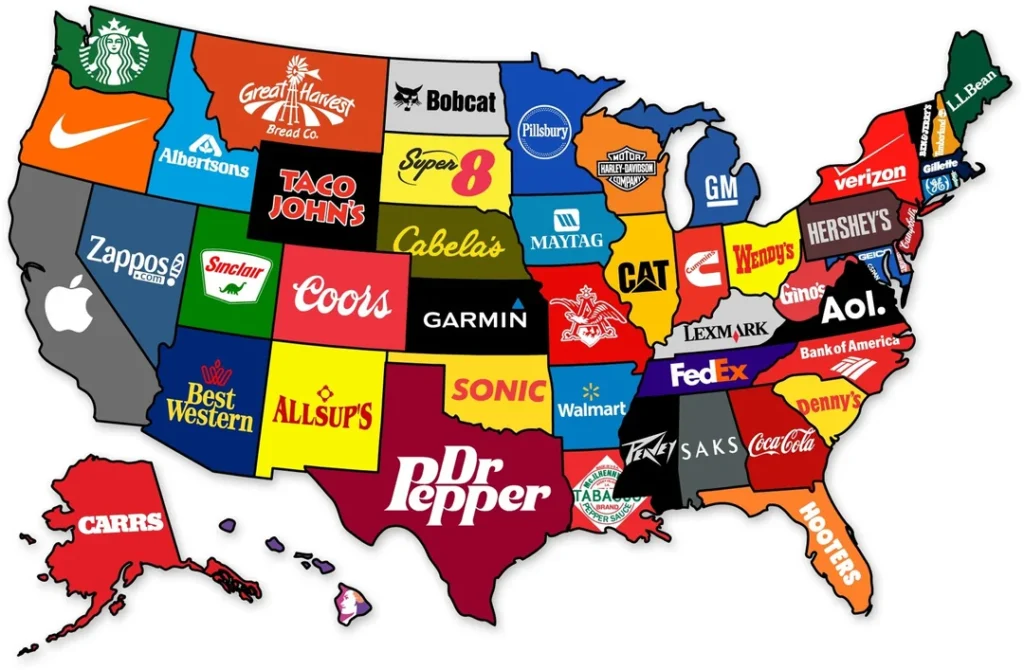
Today’s competitive marketplace wants more than a logo or slogan; the idea is to cultivate a long-lasting emotional connection with customers. Successful brands are those that build relationships and trust, fostering customers’ loyalty over time. This will be relevant for any business looking to create a successful brand to learn the basic principles of branding and how well-known companies apply these principles to promoting their brands.

The Basics of Branding
Branding involves working to shape a recognizable image for your business. It is everything from your logo and tagline to your company’s values, mission, and how you communicate with your audience. A clearly defined brand sets the direction for a business, differentiates it from competitors, and gives a connection with customers.
Key Ingredients of a Strong Brand
- Consistency: A consistent brand message across all platforms, from social media to in-store experiences, helps gain trust.
- Authenticity: Modern-day consumers value honesty and transparency. A brand must remain true to its very essence if it wants to win customers’ hearts.
- Emotional Connection: Brands that evoke emotions are more likely to be remembered. Whether it is joy, warmth, or excitement, emotions drive customer loyalty.
- Storytelling: Great brands do tell great stories that touch a chord with their audience. Through video marketing, a brand can transmit its history, mission, and vision.
Successful Branding Examples From Iconic American Companies
Patagonia: A Brand Built on Sustainability
Probably the finest example of how authenticity and values can drive brand success is Patagonia, a manufacturer of outdoor apparel and gear. Since its founding in 1973 by Yvon Chouinard, Patagonia has been committed to environmental sustainability. Unlike many companies that simply adopt green marketing strategies, Patagonia embeds environmental awareness in every aspect of its business, from sourcing materials to advocating for environmental policies.
Key Takeaways from Patagonia
- Consistency: Patagonia’s commitment to sustainability is reflected in its product designs, campaigns, and corporate actions.
- Customer Trust: The brand’s transparency about its supply chain and environmental impact brings trust and loyalty.
- Social Responsibility: With Patagonia’s “Worn Wear” program, customers are inspired to repair gear rather than buy new, which grows both sustainability and customer loyalty.
As Chouinard says in an interview, “We are in business to save our home planet.” His philosophy of putting the environment first resonates with a growing segment of socially conscious consumers, proving that a strong brand doesn’t just sell products—it advocates for meaningful causes.
Warby Parker: Disrupting the Eyewear Industry
Warby Parker is one of the most prominent examples of a brand that succeeded in disrupting an entire industry with its innovative business model. Launched in 2010, the company changed the game in eyewear sales—for the first time, high-quality frames were offered at affordable prices and could be purchased online, a completely new idea at the time.
Key Takeaways from Warby Parker
- Customer-Centric Approach: The brand has a home try-on program for glasses, in which the customers can try them in the comfort of their homes, making the experience of shopping highly personal.
- Business Model: Because Warby Parker sells its products directly to customers, it is able to offer premium products at lower prices.
- Mission-Driven Brand: Warby Parker donates a pair of glasses to someone in need for every pair sold, thus combining their business with a social cause.
Co-founder Neil Blumenthal attributed the brand’s success to their deep focus on customer experience: “We wanted to create a brand that people could relate to, a brand that had a social mission and purpose behind it, not just a product.” This focus on purpose-driven branding has earned Warby Parker a loyal customer base.
Ben & Jerry’s: Activism and Ice Cream
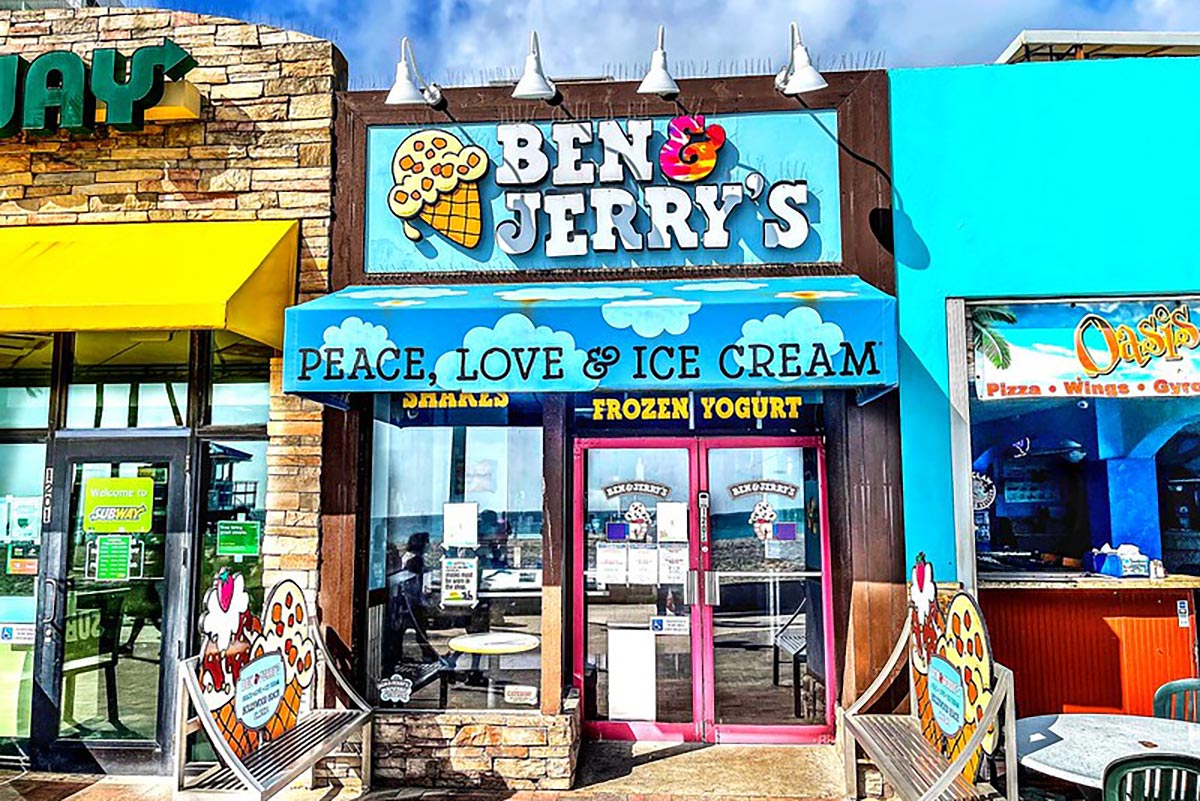
Ben & Jerry’s is known not only for its delicious ice cream; it also shows great concern for social justice. The company was founded in 1978 by Ben Cohen and Jerry Greenfield, who made activism a central part of its identity. Be it climate change issues or racial equality, Ben & Jerry’s makes sure to voice its opinion loud and clear regarding important causes.
Key Takeaways from Ben & Jerry’s
- Emotional Connection: The brand connects with the audience on a further level by aligning itself with social issues that matter to its customers.
- Transparency: Ben & Jerry’s is open about the ingredients it uses and its Fairtrade practices, further lifting its credibility.
- Bold Storytelling: From their “Save Our Swirled” campaign on climate change to their “Justice Remix’d” ice cream supporting racial equality, Ben & Jerry’s knows how to use its product names and campaigns to tell powerful stories.
Ben Cohen has always believed in the importance of staying true to the company’s mission. He once said, “Business has a responsibility to give back to the community.” This commitment to corporate activism, combined with a great product, has cemented Ben & Jerry’s as an iconic brand that transcends the ice cream industry.
Trader Joe’s: Cultivating a Unique Shopping Experience
Trading Joe’s has cultivated an incredibly loyal customer base without traditional advertising. Their key strategy was creating a unique shopping experience for their store shoppers. The grocery chain has a quirky, friendly vibe and focuses on customer service, organic products at affordable prices, and private label goods.
Key Takeaways from Trader Joe’s
- Customer Experience: The Trader Joe’s stores have a local market feel, offer a warm atmosphere, and carry a variety of truly one-off products.
- Brand Personality: The company’s fun and casual tone—whether in its “Fearless Flyer” newsletter or product packaging—sets it apart from other grocery chains.
- Word of Mouth: The company doesn’t invest in broad advertising campaigns, yet still, word of mouth and customer loyalty are key parts of its brand growth.
The chain’s founder Joe Coulombe relied on selling high-quality products at affordable prices and an overall fun and friendly store environment. He once summarized this best when he said, “We focus on what we can do differently, and we do it better than anyone else.” This concept has made Trader Joe’s a favorite among American consumers.
YETI: Building a Premium Outdoor Lifestyle Brand
YETI was founded in 2006 in Austin, Texas, with its initial products being high-end coolers. Gradually, it transformed into a brand representing the entire outdoor lifestyle. Due to focusing on premium quality, YETI has managed to make the utilitarian product a status symbol for outdoor enthusiasts.
Key Takeaways from YETI
- Premium Positioning: YETI positioned itself as a luxury brand, emphasizing the durability and performance of its products.
- Community Building: The brand has created a community of loyal customers for whom YETI products have become part of their outdoor identity.
- Authenticity: YETI targets its marketing to real customers, hunters, fishermen, and adventurers, living and breathing the values promoted by this brand.
According to Roy Seiders, the cofounder of YETI, quality and authenticity are the reasons behind the company’s success: “We don’t compromise on performance, and that’s why people trust us.” Sticking to its values and offering quality has helped YETI develop into a premium brand that commands loyalty and respect.
To Conclude
The fact that Patagonia, Warby Parker, Ben & Jerry’s, Trader Joe’s, and YETI—undeniably iconic American brands—have achieved such great success proves one thing: the basis of branding is authenticity, consistency, and emotional connection. These brands go beyond selling products; they build communities, put forth compelling narratives, and hold onto their missions. For businesses looking to build strong, lasting brands, the lessons from these companies provide valuable insights on how to connect with customers in meaningful and lasting ways.

